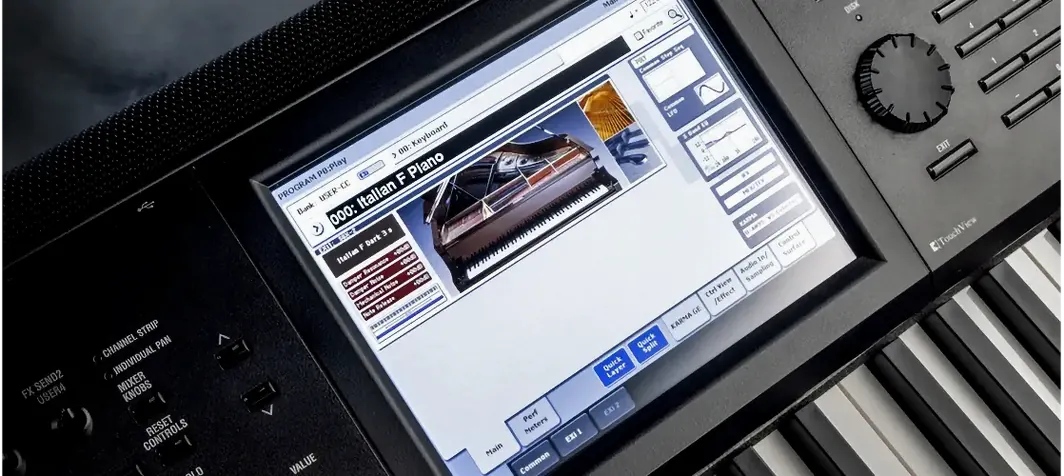
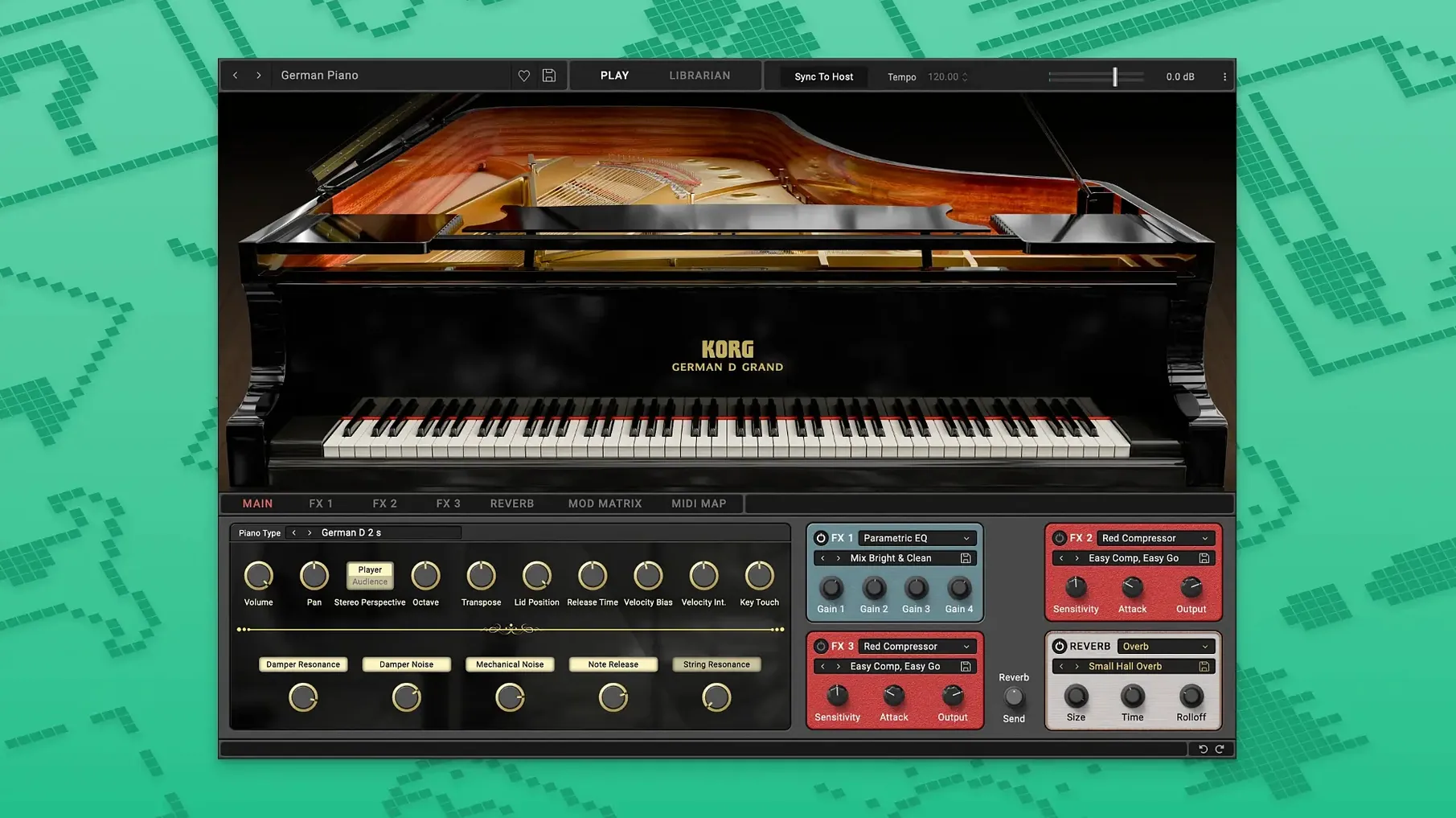
The 2026 update reshapes the collection with four additions: TRINITY, PS-3300, SGX-2, and Filter Ark. Each one lands with its own voice, but the shared thread is control over how a note starts, sustains, and fades.
| Detail | Info |
|---|---|
| Version | 1.0.3 |
| Developer | KORG Inc. |
| Format | Mac & PC software instruments |
Natural note decay gets the spotlight here — releases trail off organically rather than cutting out. Soft pedaling behaviour mimics the felt-and-hammer mechanics of an acoustic instrument, so half-pedal flutters and quiet sustains translate without sounding synthetic. For a mix, that means less envelope-sculpting after the fact. The SGX-2 engine handles piano duties with that decay and pedaling baked in, while TRINITY and PS-3300 cover pads, leads, and textures. Filter Ark then lets you carve the top end with a set of resonant filters that push a signal without collapsing the stereo field. Genres settle where the playing does: classical and jazz benefit from the expressive pedaling, pop and soundtrack work from the wide palette.
Solo-Friendly Patches That Wreck a Mix
Loading a patch and expecting it to sit in a mix is the fastest route to disappointment. KORG Collection instruments ship with generous low-end weight and stereo width that feel impressive soloed but clog a busy arrangement. Beginners skip the output trim and wonder why the master bus clips. Start by pulling the instrument fader back 6 dB before you touch any tone controls.
Three other early traps worth sidestepping:
- Ignoring velocity curve settings. SGX-2 and TRINITY respond differently to weighted vs. synth-action keyboards. If your controller feels too stiff or too soft, adjust the velocity response at the plug-in level — not by hammering the keys harder.
- Stacking without checking phase. Layering a PS-3300 pad under an SGX-2 piano can hollow out the low mids. Solo the two channels together and flip the phase on one when the body of the sound thins out.
- Leaving the built-in reverb at factory depth. The preset ambience settings are long and wet. Pull the send down until you can just hear the tail disappear, then push it back up a touch. Your mix engineer will hear the difference.
One Browser to Search Every Synth
Version 1.0.3 and the collection's 2026 additions rewrote the daily workflow for anyone who reaches for these instruments in a session. The most practical shift is the unified preset browser that arrived alongside the new instruments. Instead of hunting through per-synth menus, you search across the entire installed library from one panel — type "pad" or "brass" and results surface from TRINITY, PS-3300, and the legacy synths in a single list.
The new instruments also brought a consistency in control mapping that earlier collection entries lacked. Filter cutoff, envelope stages, and modulation assignments now sit in the same positions across TRINITY, PS-3300, and the refreshed classics, so muscle memory carries from one plug-in to the next. That cuts the setup time when you swap a part from, say, a Polysix pad to a TRINITY pad mid-arrangement.
On the performance side, the pedaling improvements in SGX-2 were the silent fix that changed the most. Half-pedal and repedal behaviours now track properly at buffer sizes that caused glitches in older piano plug-ins, making live tracking viable without freezing tracks first. The Filter Ark addition also shifted how producers approach high-frequency shaping: its resonant models let you drive a signal into a filter without the brittle digital edge that forces a follow-up de-esser.
Arturia’s Wider Catalog vs. KORG’s Unified Controls
Arturia V Collection — Broader in scope (covers emulations of classic synths from Roland, Oberheim, and others) and heavier on CPU. Arturia’s preset management is more mature, but the individual instruments lack the cohesive control layout that KORG Collection gained with the 2026 update. For a producer who wants one synth per brand, Arturia wins on variety. For someone who needs a tight set of instruments that share a workflow, KORG pulls ahead.
Native Instruments Komplete — A sprawling bundle that includes sampled pianos, synthesizers, and effects. The piano competition here is Kontakt-based (Noire, The Gentleman) rather than a dedicated engine like SGX-2. Loading times and RAM footprint are higher on the Kontakt side, and the pedal response is less refined for half-pedaling techniques. Komplete’s strength is breadth; KORG Collection’s is the playability of a focused instrument set without a sampler host in the chain.
UVI Falcon plus expansions — Falcon is a deep synthesis platform, not a collection of standalone recreations. It demands sound-design commitment; KORG Collection gives you recognisable instruments that load fast and play immediately. The trade-off is flexibility vs. immediacy. Where Falcon rewards the programmer, KORG rewards the player who wants to track piano, pad, or lead and move on.
- macOS 10.13 or later
- Intel or Apple Silicon Mac
- English interface
Comments 0
Sign in to leave a comment.Sign inCreate an account
No comments yet. If a step is still there after you install it, say so.
More in VST Plugins
All in VST Plugins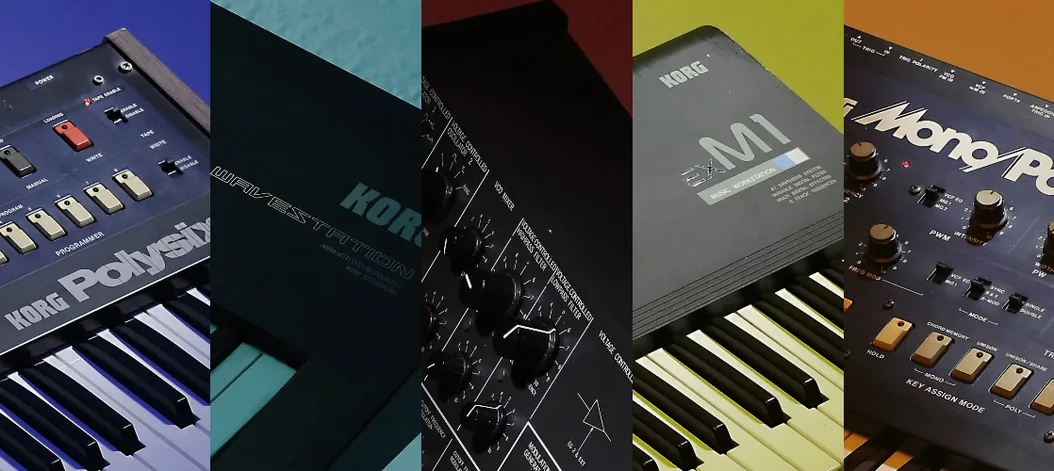 KORG TRITON
Recreates the HI synthesis engine that defined early-2000s pop and hip-hop productions.
23 steps saved
 LANDR Vocal Bundle
Covers the core vocal chain from pitch correction to space in one download.
18 steps saved
 Komplete Kontrol
Unifies browsing, loading, and hands-on control of instruments and effects from one hub.
9 steps saved
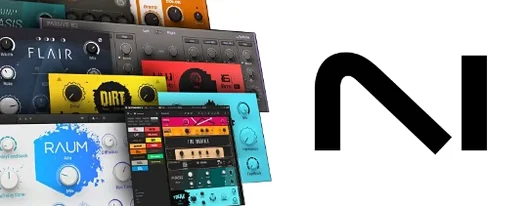 Komplete FX Bundle
Provides a rack of modulation, dynamics, and time-based effects for shaping any signal.
5 steps saved
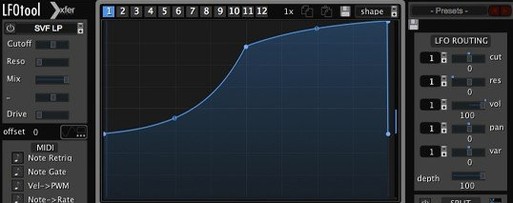 LFOTool
Redraws motion on tracks and buses with a modulation sequencer instead of a static LFO.
23 steps saved
 Kalifornia Dynamic KD Alkane
Adds weight and presence to a sterile kick drum with swift, focused processing.
12 steps saved
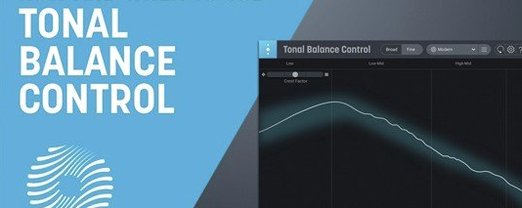 iZotope Tonal Balance Control
Shows how a mix’s frequency balance compares to a chosen genre reference.
11 steps saved
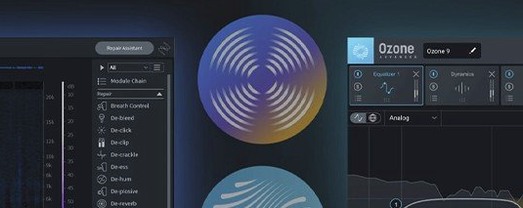 Updated
iZotope RX
Isolates dialogue, music, and effects while cleaning bleed and breath from recordings.