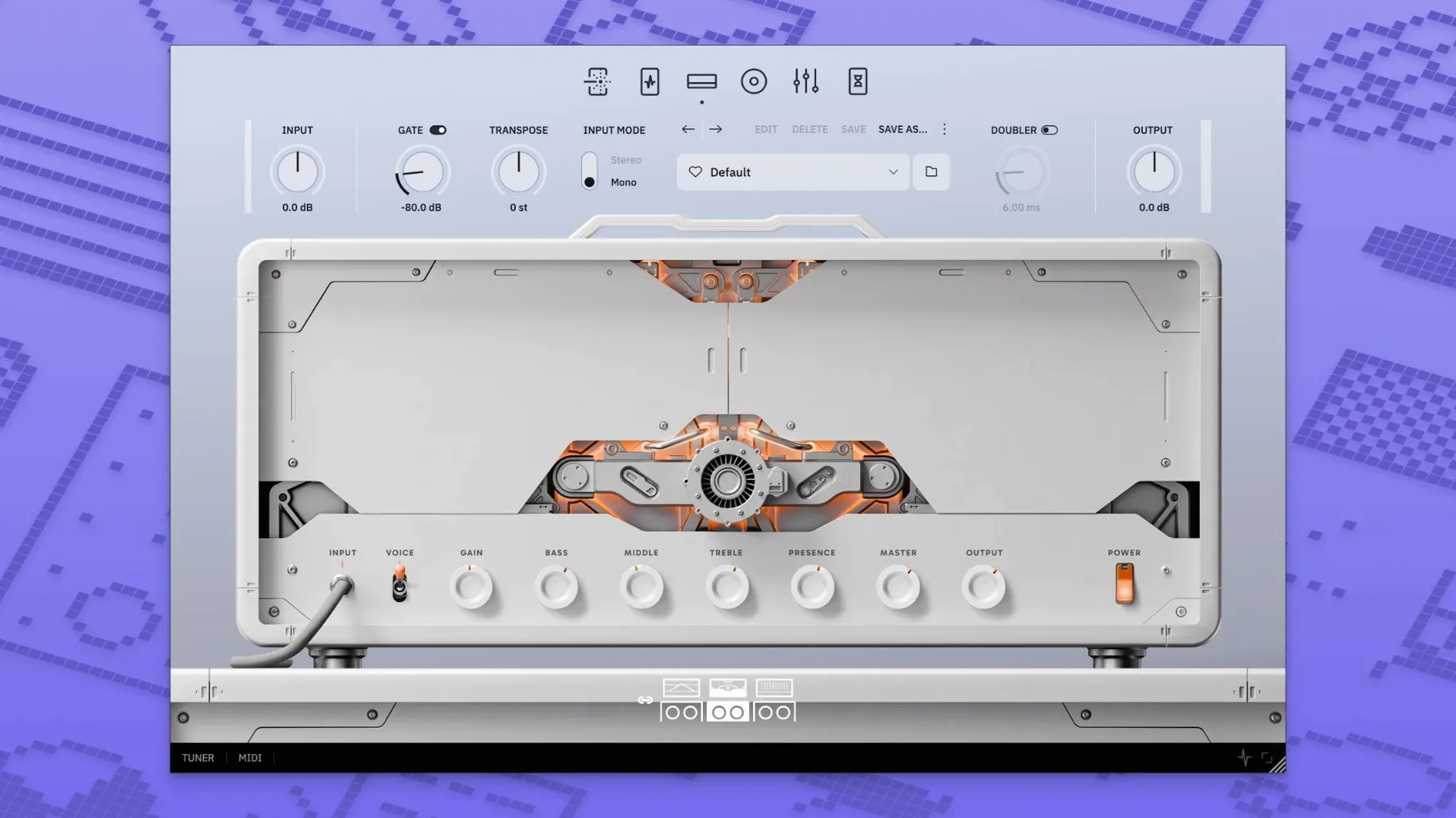
The Dual Octaver is where the signal first bends. Set one voice to a tight sub-octave and the second to a shimmer up high, and the centre of a riff gains weight without losing definition. It's a pitch control that works more like a texturing tool than a simple drop-tune fix.
Chaos and the Precision Drive
Chaos brings a distortion circuit that stays articulate even when the gain is pushed past noon. Notes separate on fast palm-muted runs. Run it after the Horizon Devices Precision Drive and the attack tightens further—the transient snaps, the low-end stays clean. The three amp models react differently to this chain. One stays dry and immediate. Another blooms with sag. The third sits between them, a balanced platform for stacking room mics into the stereo field.
Tape Echo in a heavy context
Tape Echo introduces a slapback or a long, degrading trail that sits behind the dry amp signal. Mixed low, it creates depth on a lead break without pushing the part into ambient territory. The Preset Explorer organises setups by gain structure and effect routing, so moving from a dry rhythm tone to a saturated lead with echo takes one click. Global Lock keeps your cabinet and mic choices fixed while you audition different amp and drive combinations.
Archetype Misha Mansoor X versus the field
Neural DSP's own Archetype Gojira shares the metal DNA but leans toward a different effects palette—pitch-shifting and a whammy-style pedal dominate, while Misha Mansoor X trades those for the Laser, Glitch, and Dual Octaver. Gojira suits a broader progressive palette; Misha Mansoor X narrows the focus to staccato precision and experimental digital artifacts.
STL Tones ToneHub offers a subscription-driven platform with hundreds of artist packs. The variety is wider, but the curated cohesion is thinner. Misha Mansoor X delivers three amplifiers, one consistent cabinet philosophy captured by Nolly Getgood, and a signal chain where every block was chosen to work together. ToneHub rewards browsing; Misha Mansoor X rewards dialling in fast and committing.
ML Sound Lab's roots-style amp sims cover classic metal territory well, but none include a hardware-derived compressor stage like the Horizon Devices Compressor. That single block reshapes the attack envelope before the signal ever hits the amp—an advantage for the tightly gated modern metal sound that the ML models don't target natively.
Workflow: building a dry, percussive rhythm tone
Start with an empty instance on a DI guitar track. Engage the Horizon Devices Compressor first in the chain—set blend to about 40%, speed fast, and let it shave only the loudest transients. This isn't about squashing dynamics; it's about presenting a uniform pick attack to the Precision Drive.
Add the Horizon Devices Precision Drive with the attack knob around 2 o'clock and the drive set low. Choose the second amp model—the one with natural sag—and set gain to noon. In the cab section, load a blend of two close mics captured by Nolly Getgood and add a touch of room mic for body. Apply the 9-band graphic equalizer with a narrow cut around 250 Hz and a small boost at 1.6 kHz. Engage Global Lock on the cabinet and mic setup, then save the preset. The result is a tone that punches through a dense mix without clouding the low mids.
- macOS 10.13 or later
- Apple Silicon & Intel (64-bit)
- VST2, VST3, AU, AAX, Standalone
Comments 0
Sign in to leave a comment.Sign inCreate an account
No comments yet. If a step is still there after you install it, say so.
More in VST Plugins
All in VST Plugins Neural DSP Archetype Nolly X
Models Nolly Getgood's rig for punchy, mix-ready rhythm guitar.
11 steps saved
 Neural DSP Archetype Petrucci
Recreates John Petrucci's amps and pedals for lead and rhythm guitar.
6 steps saved
 Neural DSP Archetype Rabea X
Models Rabea Massaad's amp rig, from clean chords to heavy riffs.
18 steps saved
 Neural DSP Fortin Nameless Suite X
Produces an articulate, percussive guitar overdrive that cuts through a dense mix.
17 steps saved
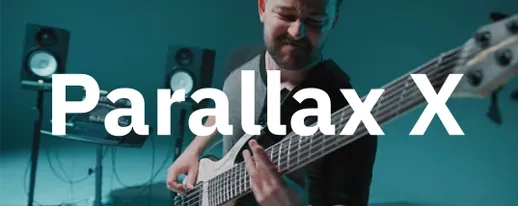 Neural DSP Parallax X
Processes bass through three distinct tube-modelled distortion bands.
21 steps saved
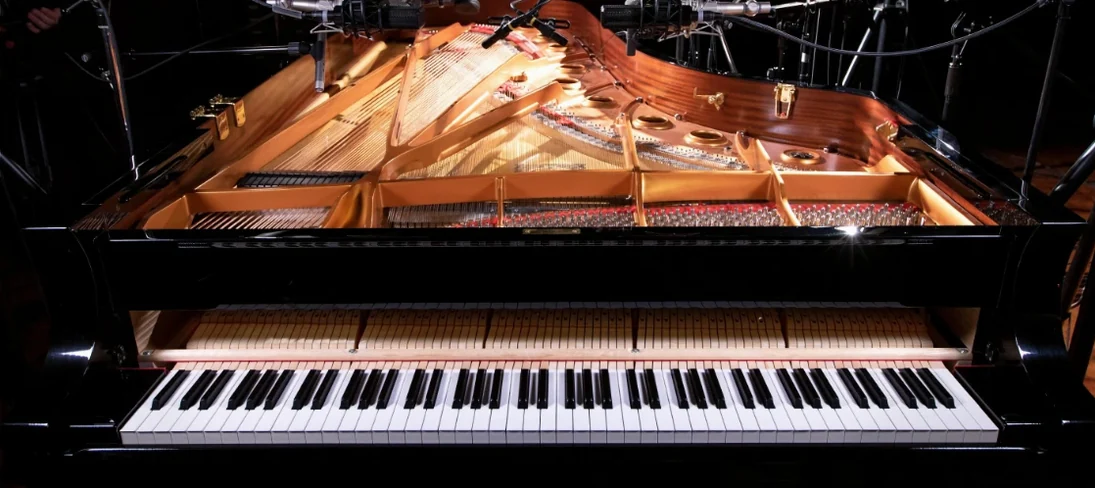 Native Instruments Noire KONTAKT
Loads a responsive concert grand with a particle engine for felt textures.
17 steps saved
 Neural DSP Soldano SLO-100 X
Recreates the Soldano SLO-100 high-gain amp with cabs and effects.
14 steps saved
 Updated
Native Instruments Massive X
Builds wavetable patches that retain body in a dense mix.