
Alone with hunger after the village burns
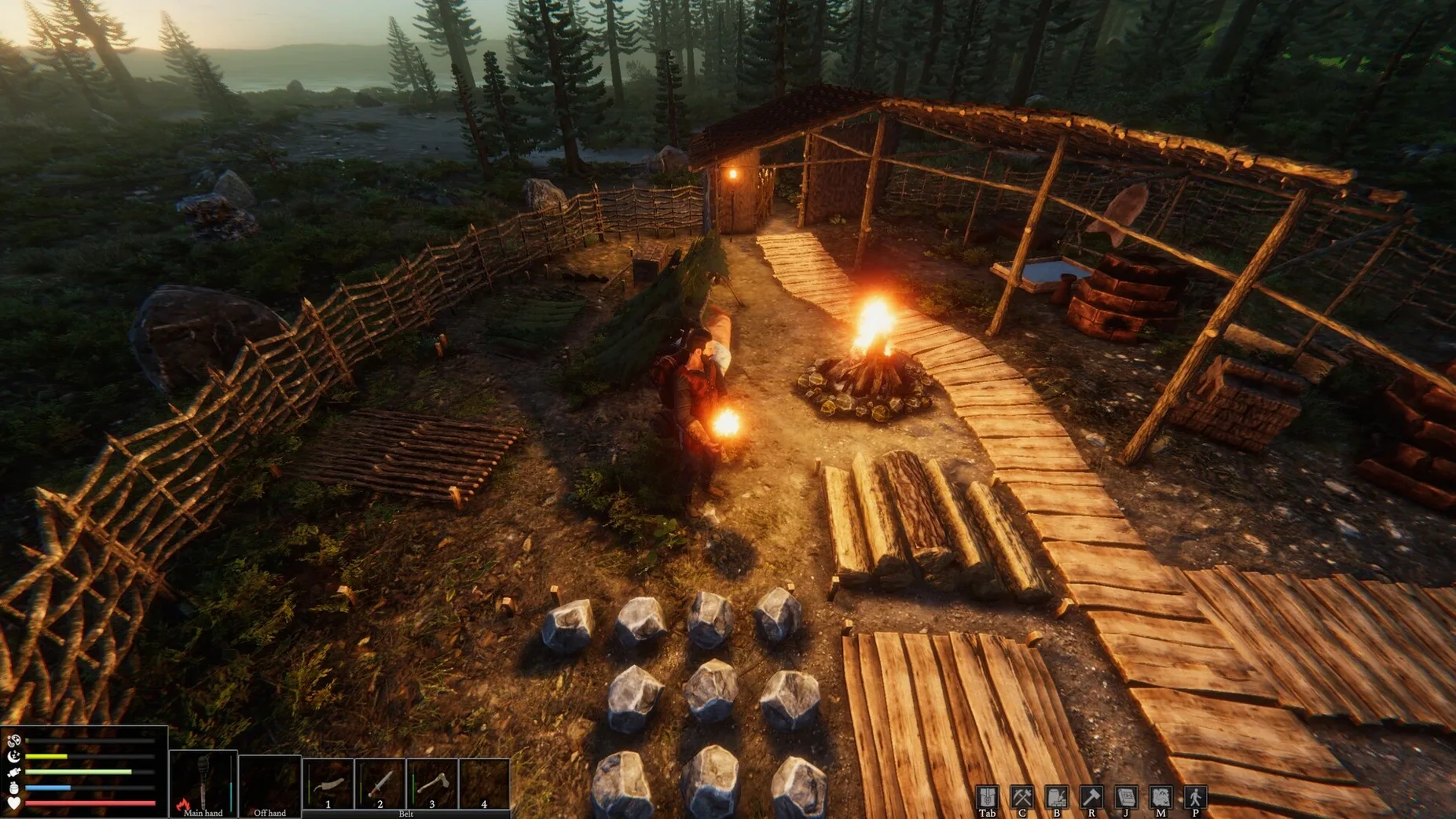
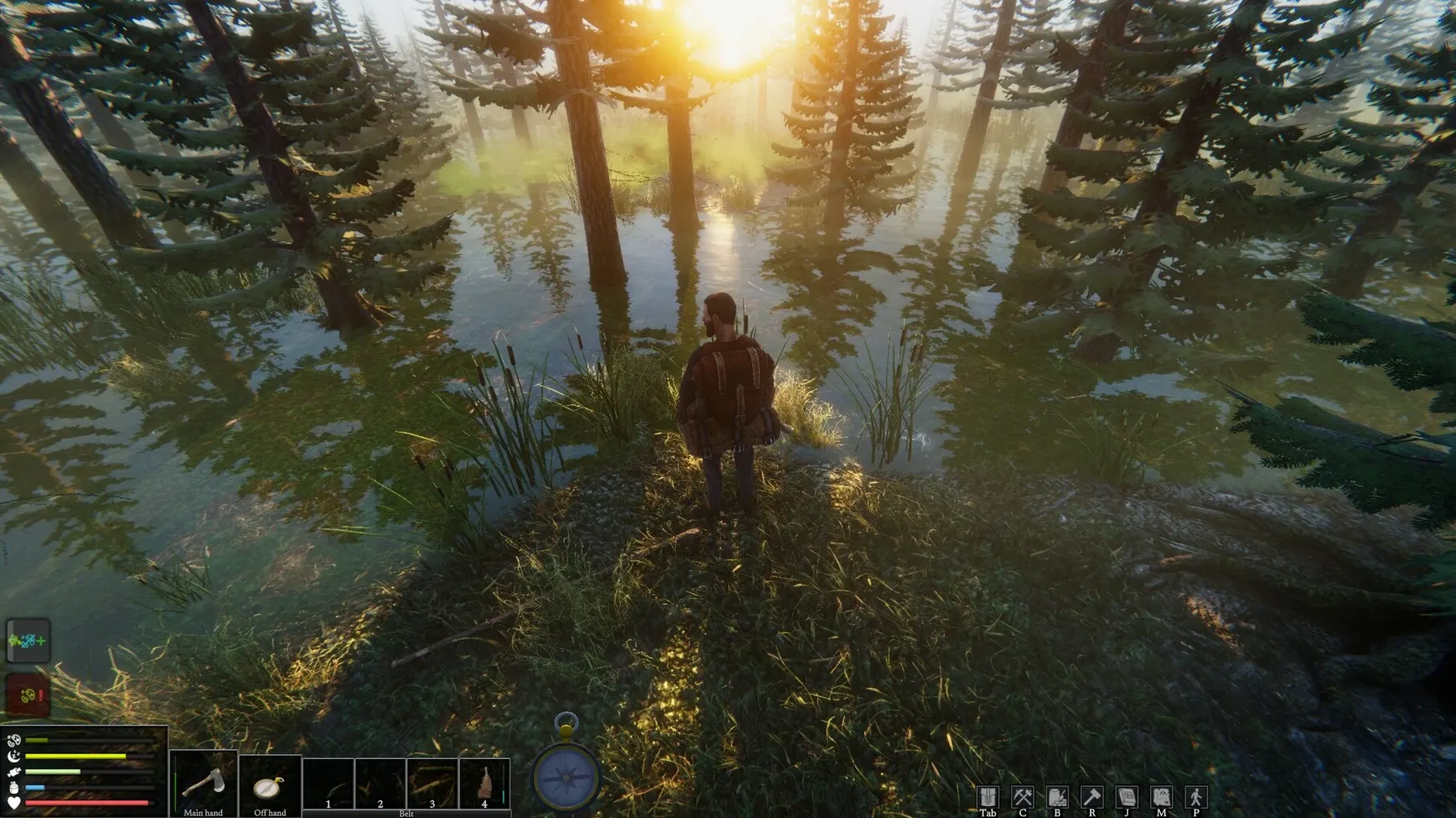
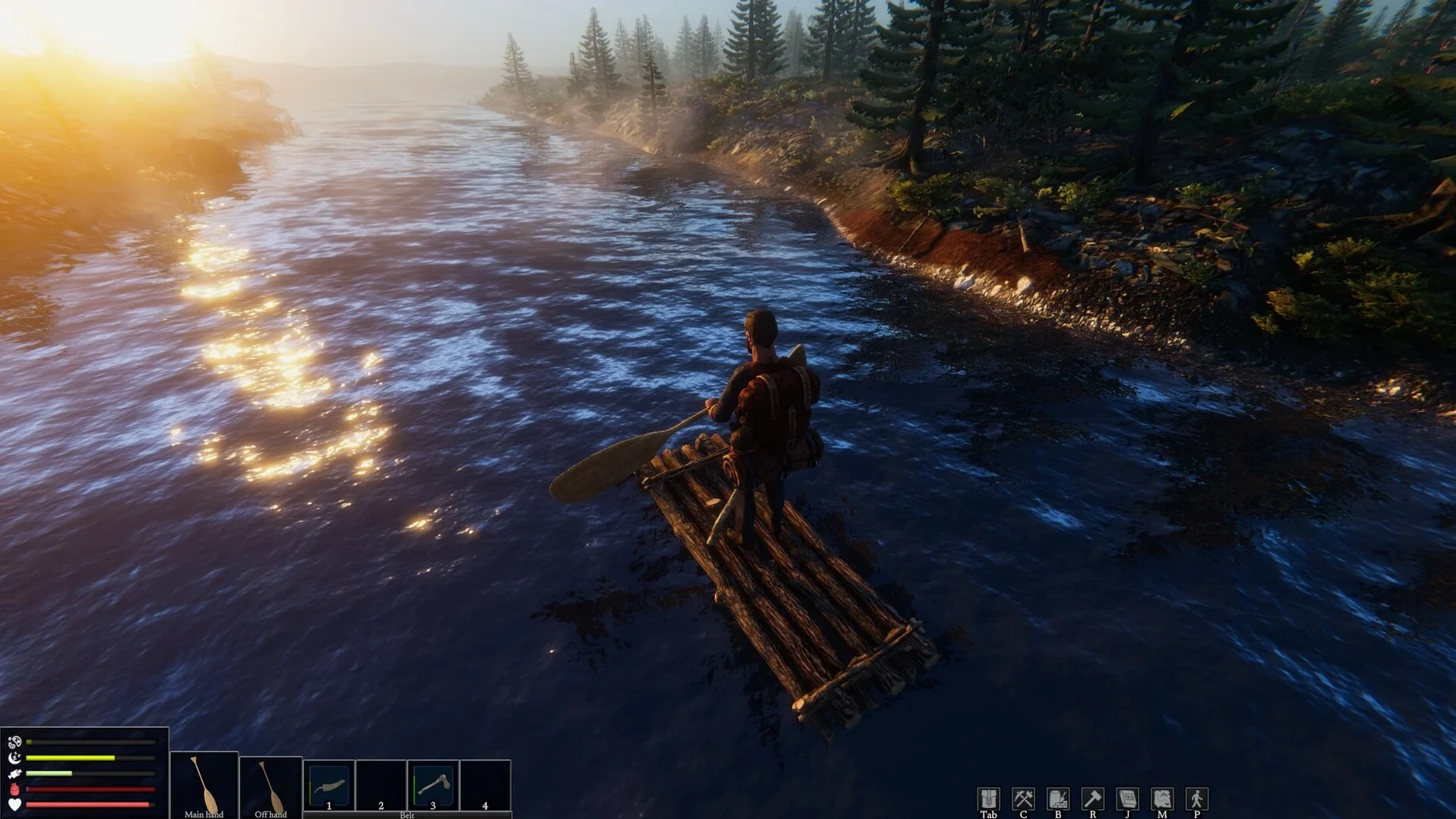
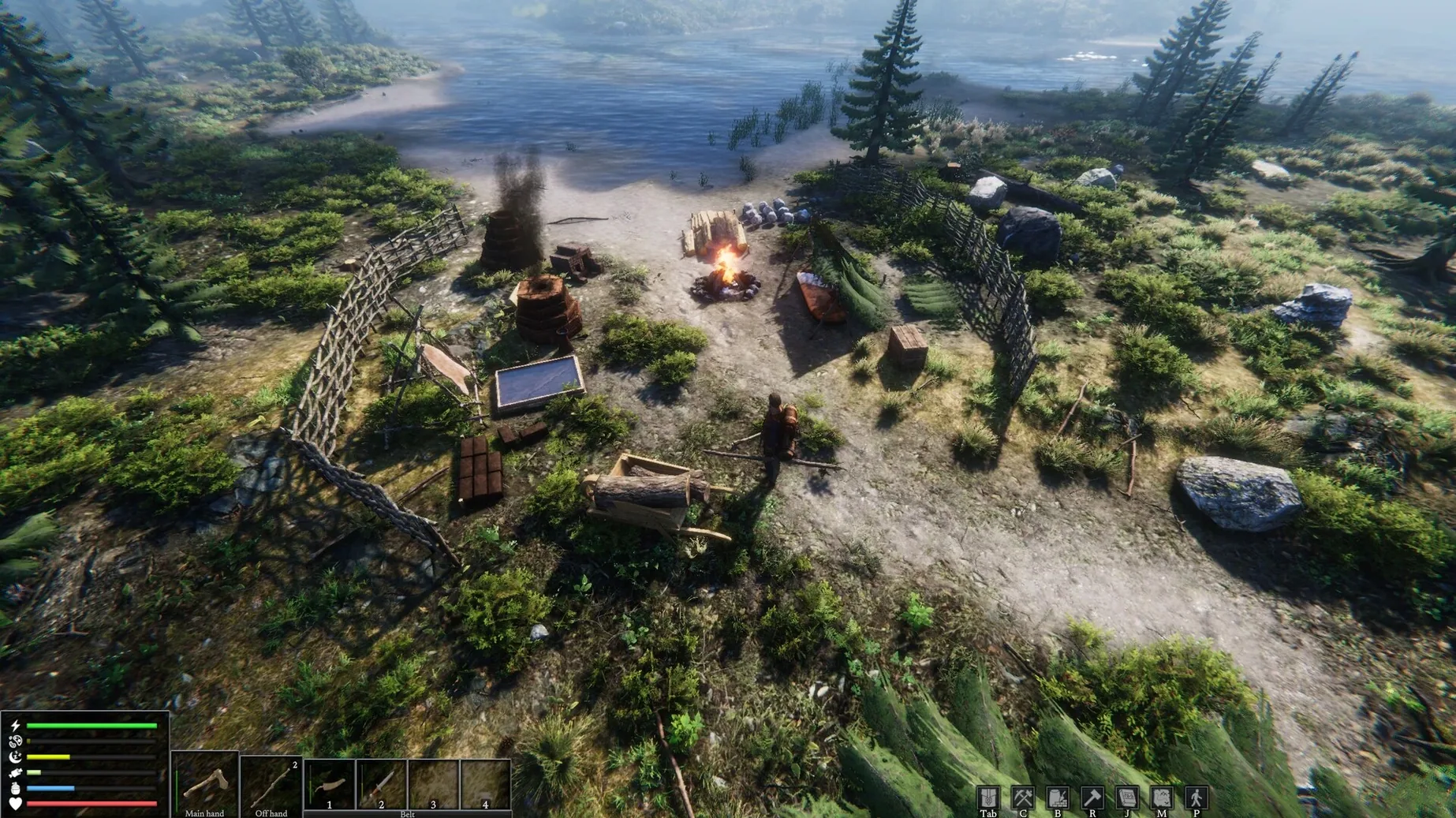
The Last Plague: Blight is built for the player who finds comfort in friction. You start alone in a procedurally generated forest after your village is destroyed. There is no hand-holding. Your task list is brutally simple: manage food, water, sleep, and rest while wild animals still roam the woods. Every action, from cutting a tree to cooking a meal, demands significant time. The reward is a deep, quiet tension that few games capture.
Good for
- Realistic survival mechanics where preparation matters more than reflexes.
- A harsh inventory system: you can carry only a few items at once.
- Total solitude — a single-player experience with no multiplayer distractions.
- The Early Access process if you enjoy shaping a game's development.
Keep in mind
- It is in Early Access. Systems are still evolving.
- The deliberate pace is the point. If slow woodcutting sounds tedious, it will be.
- Interface languages are limited to Russian, English, and French.
Three Mac player profiles that treat constraints as content
The player who thrives here already treats a game as a set of constraints, not a power fantasy. On Mac specifically, three profiles stand out.
- The solo deep-focus player. You keep notifications off. You want a world that pushes back hard enough that a boiled bowl of water feels like a genuine achievement. The single-player structure and long, quiet stretches of gathering suit you perfectly.
- The systems tinkerer. You enjoy games where materials demand processing chains — clean the hide, join the frame, harden the tool — and where carrying a sloshing container of liquid across uneven terrain is a physics problem, not a menu click. The spill mechanics and multi-step crafting reward your patience.
- The Early Access realist. You treat version 0.12.7 as a living draft. You understand that systems will shift, and you value influencing that direction over waiting for a polished final form.
If you prefer a base-building sandbox with quick results or a narrative that pulls you along, the game's deliberate friction will feel like a mismatch.
Permanent consequences vs. social collapse vs. elemental storms
Three titles often come up alongside The Last Plague: Blight. Each shares the survival tag, but the daily experience diverges sharply.
Project Zomboid — The closest cousin in spirit. Both punish overconfidence with permanent consequences. Zomboid layers social collapse and deep skill trees over its survival core; Blight strips everything back to the raw physical world. Zomboid gives you a map dotted with lootable buildings. Blight gives you trees, water, and silence. The procedural wilderness never repeats, while Zomboid's Kentucky stays recognisable. Pick Blight when you want isolation without the undead.
Green Hell — A jungle survival story with a scripted narrative backbone. It shares the realistic body-management loop (injuries, parasites, macronutrients) and demands that you inspect each limb after a bad encounter. The difference is pace and purpose. Green Hell pushes you toward story beats and eventual rescue. Blight offers no narrative exit — just one more day of boiling water and listening for a wolf you cannot see.
Rust (solo servers) — Often mentioned because of the primitive crafting overlap, but the comparison breaks down fast. Rust is a social game even when played alone; its systems are tuned for multiplayer tension. Blight's inventory is tighter, its crafting steps more granular, and nobody raids your shelter while you sleep. If you ever searched for the last plague blight for mac cracked because you wanted a solo survival challenge without server queues, this is the quieter, slower alternative.
- Tested on macOS Tahoe
- Tested on Mac mini 2024 (M4)
- Apple Silicon & Intel
Comments 0
Sign in to leave a comment.Sign inCreate an account
No comments yet. If a step is still there after you install it, say so.
More in Games
All in Games The Invincible
Explores a hard-sci-fi planet as an astrobiologist caught in a larger conflict.
6 steps saved
 The Life and Suffering of Sir Brante
Turns every choice into a page in your character's unfolding journal.
20 steps saved
 The Elder Scrolls III: Morrowind
Explores the strange island of Vvardenfell in a classic open-world RPG.
22 steps saved
 The Sims 4
Hands you an empty lot and a neighbourhood of creative possibilities.
22 steps saved
 The Drifter
Lets a dead man relive his final moments to solve his own murder.
4 steps saved
 Thief: Master Thief Edition
Moves you through shadows while reading patrols and picking locks.
14 steps saved
 Updated
The Colonists
Rewards tidy supply lines in a colony run by self-replicating robots.
22 steps saved
 Updated
Timberborn
Puts engineering ahead of decoration in a colony of thirsty beavers.