
One save file can span a dozen hours and reshape three continents.
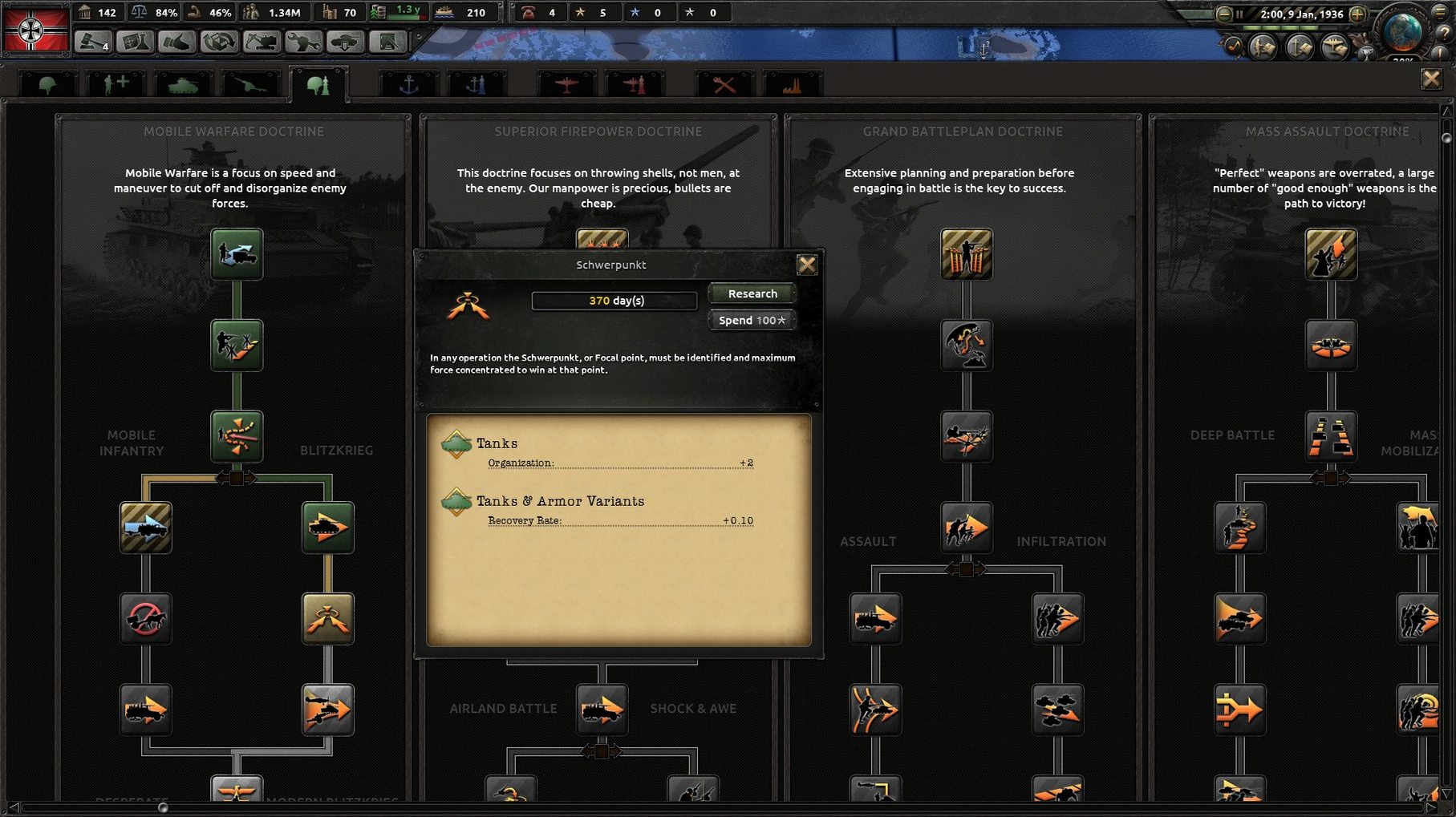
Research queue — swap doctrines, armour models, and industrial machinery to keep your armed forces a generation ahead of the enemy.
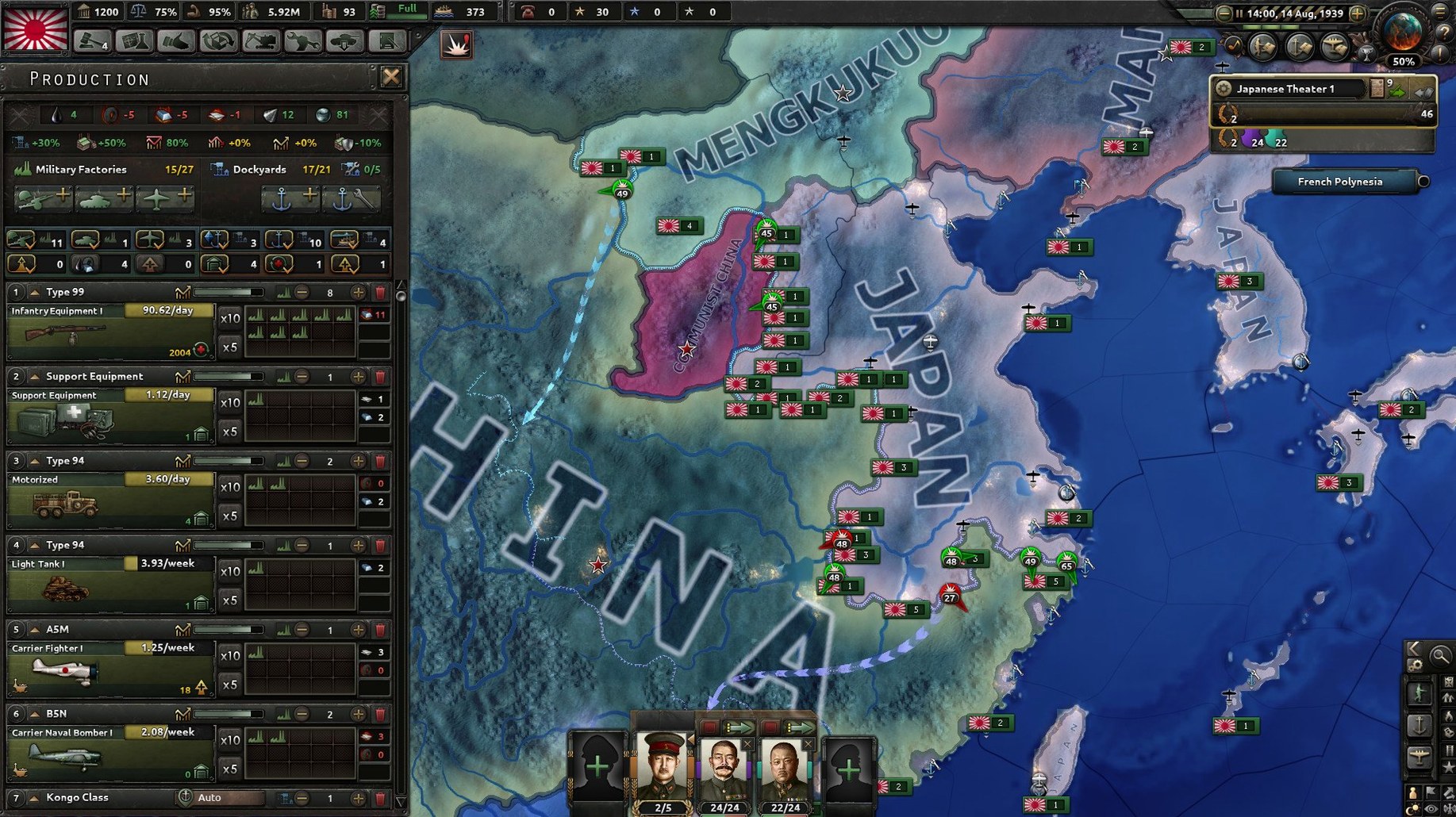
Production lines — assign factories to rifles, tanks, ships, and planes; efficiency climbs the longer a line runs uninterrupted.
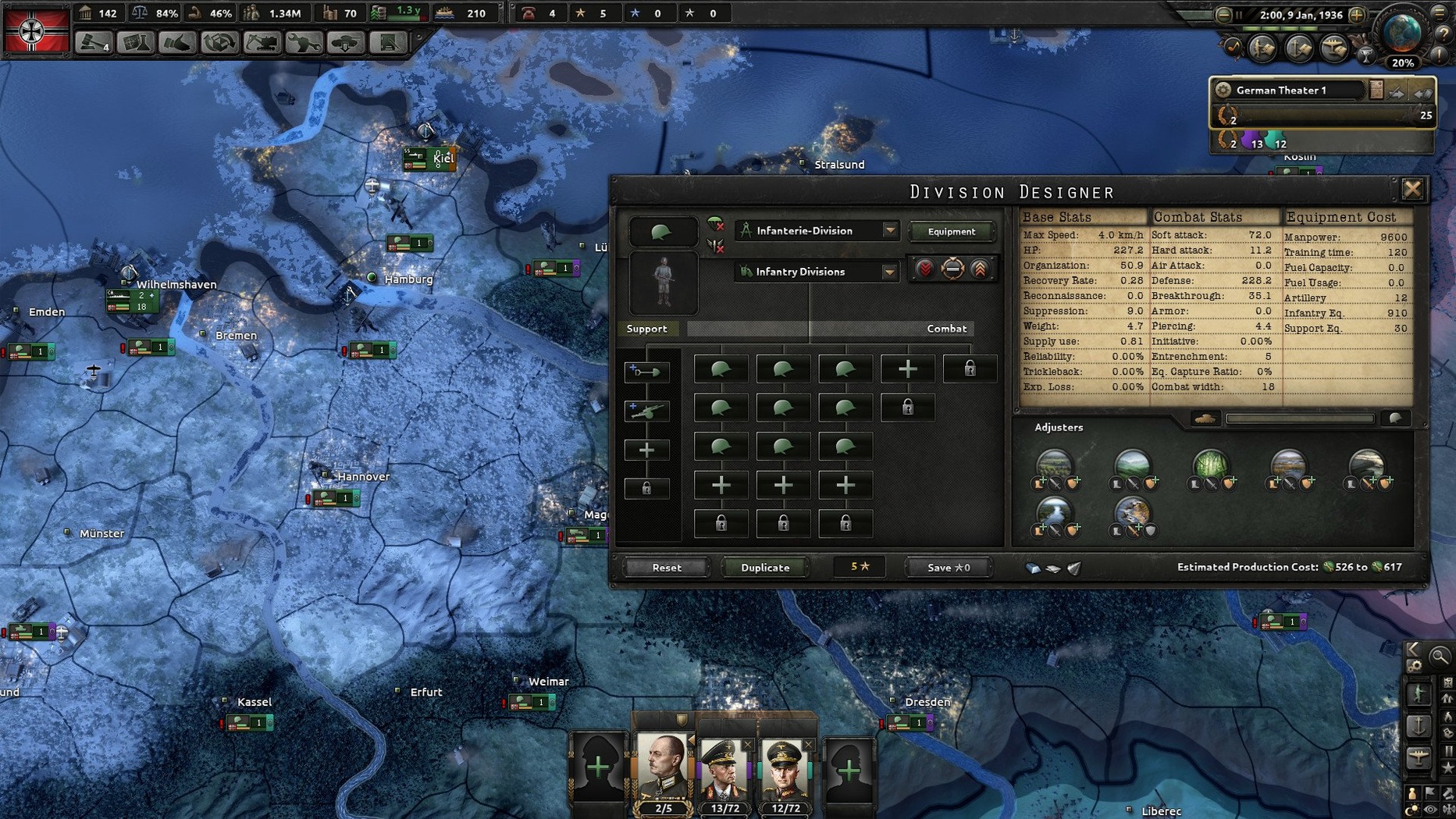
Division designer — mix infantry, artillery, and support companies into templates, then watch those templates encircle capitals on a map split into provinces.
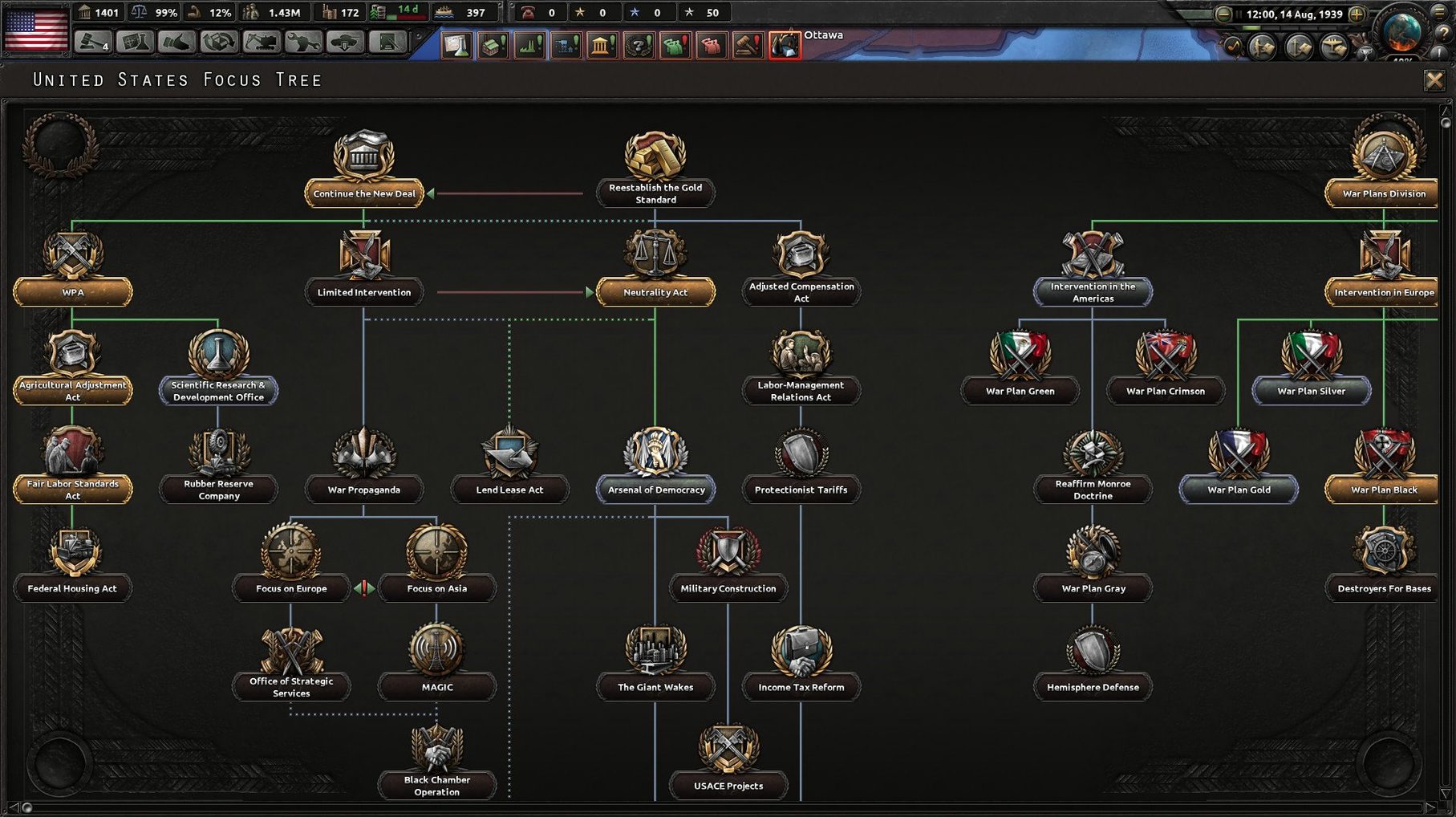
National focus tree — choose political paths, economic mobilisation, or territorial claims from a branching menu that pushes your chosen nation toward a specific version of history.
Battle planner — draw offensive lines, assign divisions, and let the plan execute, or micro-manage every armoured spearhead yourself.
Diplomacy screen — justify war goals, form factions, stage coups, and negotiate access so your bombers can reach the next target.
Australia’s Secret Path After Patch 1.19.3
Patch 1.19.3 doesn't overhaul the interface or rewrite combat math. It adds pieces you notice only after several campaigns — and then you can't ignore them.
Australia's new secret path lives behind specific focus choices and a handful of decisions that fire mid-game. Once unlocked, it redirects manpower, factory output, and diplomatic options toward the Pacific in a way the standard Commonwealth tree never allowed. Sessions that used to feel like waiting for Japan to declare war now start with a concrete, risky objective around 1941.
Siam and Indonesia both receive late-game content that extends their relevance past 1945. Siam's expanded tree rewards players who commit early to either the Axis or a neutral posture with unique occupation policies across Indochina. Indonesia's addition gives resource-rich colonies a path toward independence that interacts with Dutch, Japanese, and Allied occupation mechanics. Neither nation runs out of decisions once the historical peace conferences would have sidelined them.
Balance changes touch ship production speed, air experience gain, and the reinforcement priority of certain infantry equipment — adjustments that shift optimal division widths by a single battalion here and there. Bug fixes clean up edge cases where peace conferences refused to release puppets or where lend-lease convoys routed through blocked sea zones. A campaign that reached 1948 on the previous patch might stall; on 1.19.3, the same save ticks forward.
Why EU4’s Trade Nodes Make It Looser Than Hearts of Iron
Three grand strategy titles sit on the same shelf, but they serve different appetites.
Europa Universalis IV — Paradox's early-modern sandbox. Its trade-node system, colonial range, and four-century timeline make it deeper and looser than Hearts of Iron IV. The trade-off: warfare relies on a simpler dice-roll model with no division designer, no production lines, and no battle planner. Players who want a war engine pick HoI; players who want a dynastic story pick EU4.
Crusader Kings III — also Paradox, also macOS-native, but the focus is characters, not factories. Marriages, schemes, and realm succession drive every session. Army composition matters far less than who commands it. HoI replaces personal drama with industrial throughput. When you lose a campaign in CK3, your heir inherits the mess; in HoI, your armoured divisions simply run out of fuel.
Civilization VI — turn-based, not real-time-with-pause. Its tech web and hex-grid combat scratch a similar planning itch, but the scale resets every era. HoI commits to one decade, one war, one planet-spanning logistics chain. Civ asks you to build a civilization from scratch; HoI hands you an existing nation and asks what you'll break.
Launching in Your Language Before the Map Loads
- Run the
dowserfile from inside the game bundle to launch the Paradox launcher. That's where you switch the interface to English, German, or any of the supported languages before the map even loads. - Start as Germany. The 1936 start gives you four quiet years to learn the production queue, the focus tree, and the division designer before the shooting starts in 1939.
- Pause often. The spacebar is your best tool — pause, queue five industrial focuses, assign civilian factories to consumer goods, unpause for a week, pause again, check the logistics tab.
- Ignore navy for the first campaign. Naval mechanics add a layer of escort efficiency, task force composition, and sea-zone control that punishes half-attention. Learn land and air first.
- Assign all new military factories to infantry equipment and support gear. Tanks and planes devour resources you won't have in 1936; rifles keep divisions on the map.
- Open the division designer early. The default template works, but adding one artillery battalion and an engineer company makes every infantry unit 30% more effective at holding a front line.
- Save before every major focus completes. Some national focuses lock you out of alternative paths permanently, and the game doesn't always signpost the point of no return.
- Intel 64-bit Mac
Comments 0
Sign in to leave a comment.Sign inCreate an account
No comments yet. If a step is still there after you install it, say so.
More in Games
All in Games Hell Clock
Compresses a full descent into minutes, scaling your power with each reset.
23 steps saved
 Heroes of Might and Magic 4: Complete
Bundles base game and expansions into one launch for modern Macs.
15 steps saved
 Half Sword
Turns medieval sword fights into brutal, physics-driven duels.
8 steps saved
 Updated
HITMAN World of Assassination
Turns each level into a clockwork puzzle where disguise and timing decide the outcome.
19 steps saved
 Hades II
Battles through the Underworld as Melinoë in fast, replayable roguelike runs.
16 steps saved
 HackHub - Ultimate Hacker Simulator
Simulates a terminal session where you pivot before the trace completes.
6 steps saved
 Guns, Gore & Cannoli 2
Adds 360-degree aiming to turn side-scrolling firefights fluid.
20 steps saved
 House Flipper
Hands you a neglected property to clean, repair, and furnish room by room.