
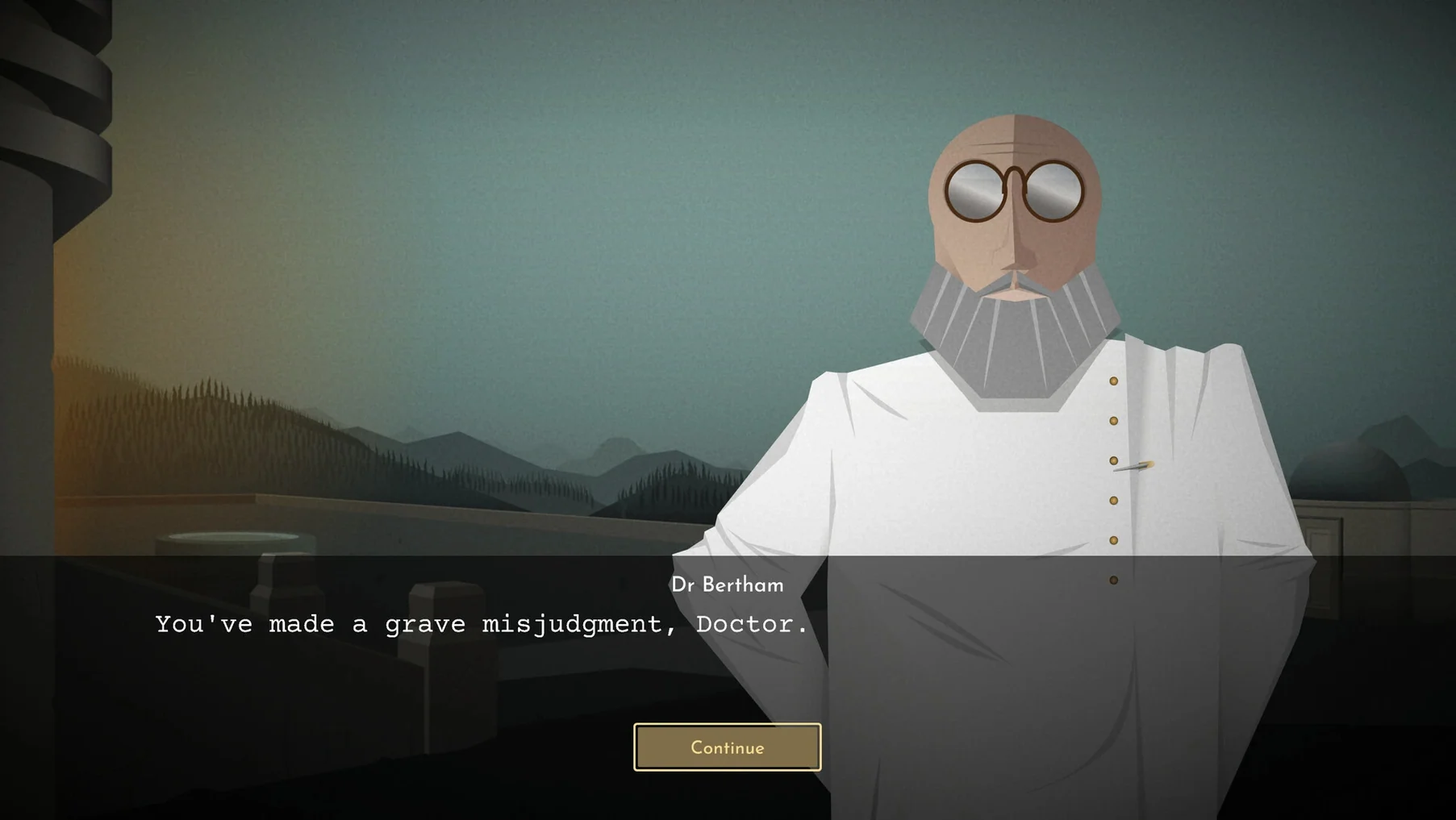
Sanatorium runs on Apple Silicon and Intel 64-bit Macs.
Mood and moral weight over reflexes
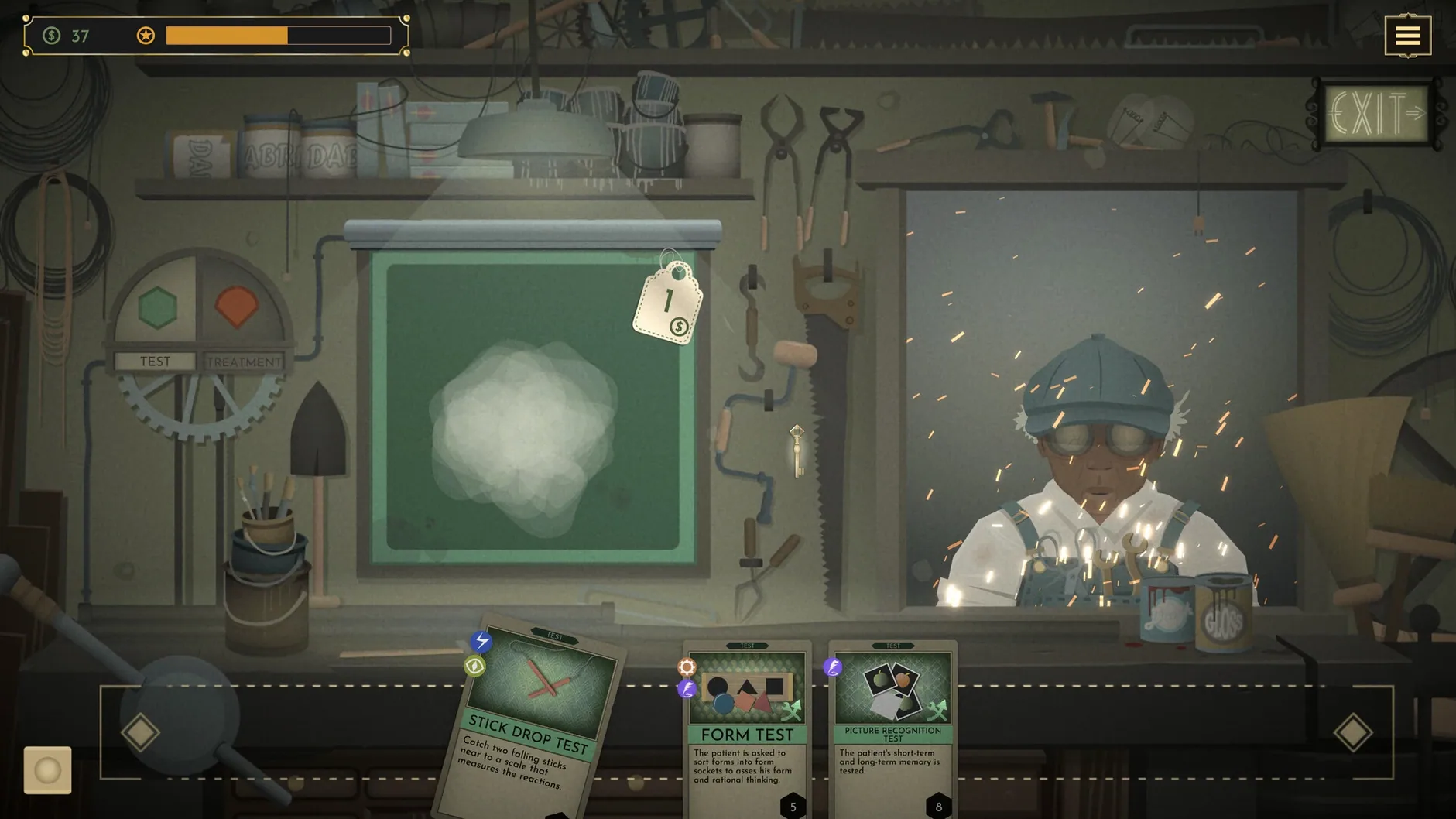
Someone who prefers mood and moral weight over action. The game gives you patient files, a stack of cards, and the quiet pressure of a diagnosis. It rewards reflection, not reflexes.
No skill trees, just a slow narrative workplace
Players looking for skill trees, combat, or constant feedback loops. This is a narrative workplace adventure with over 100 cards and four chapters. The pace is deliberate, and the interface stays out of your way.
Is it a management sim or a story?
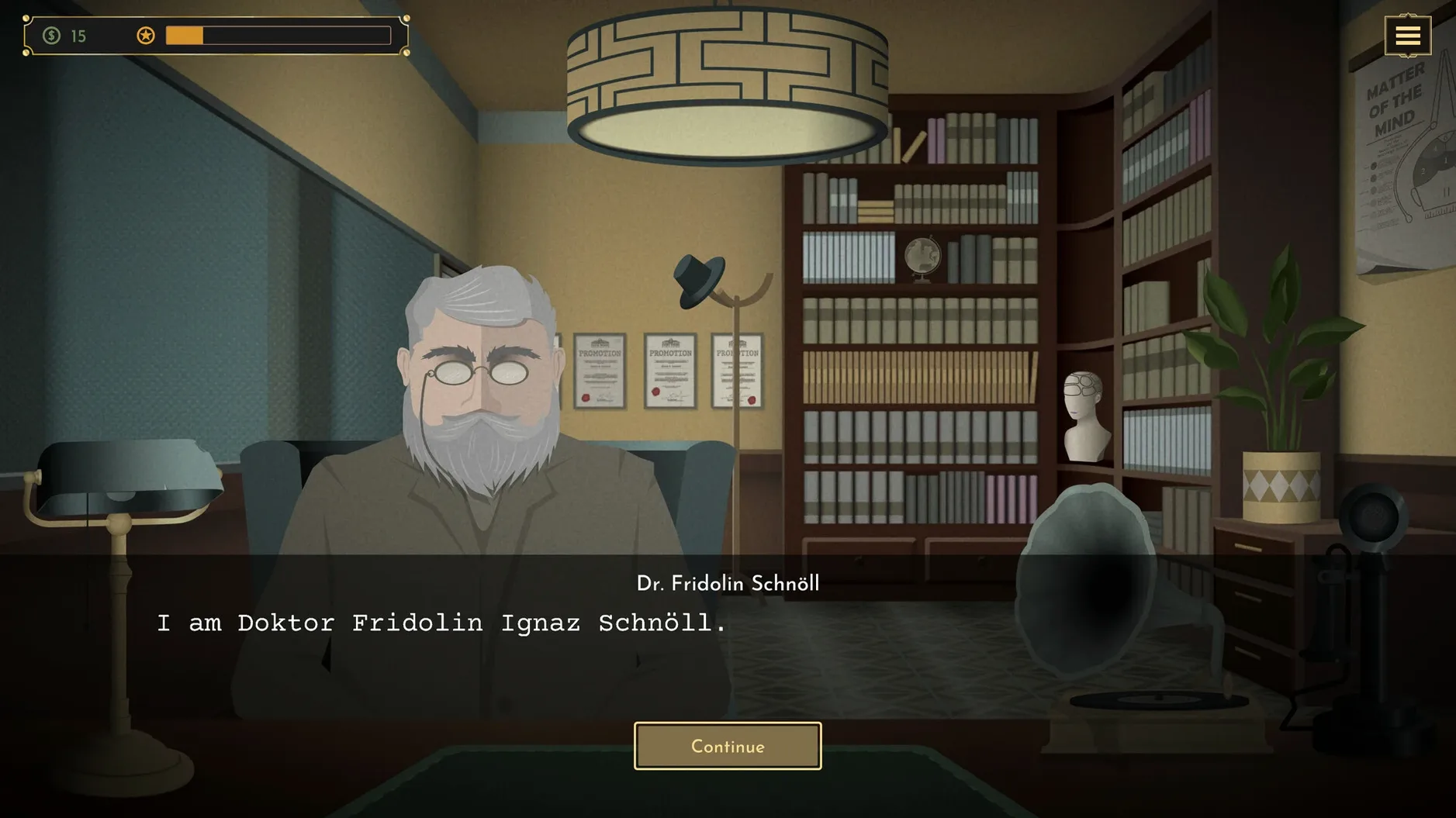
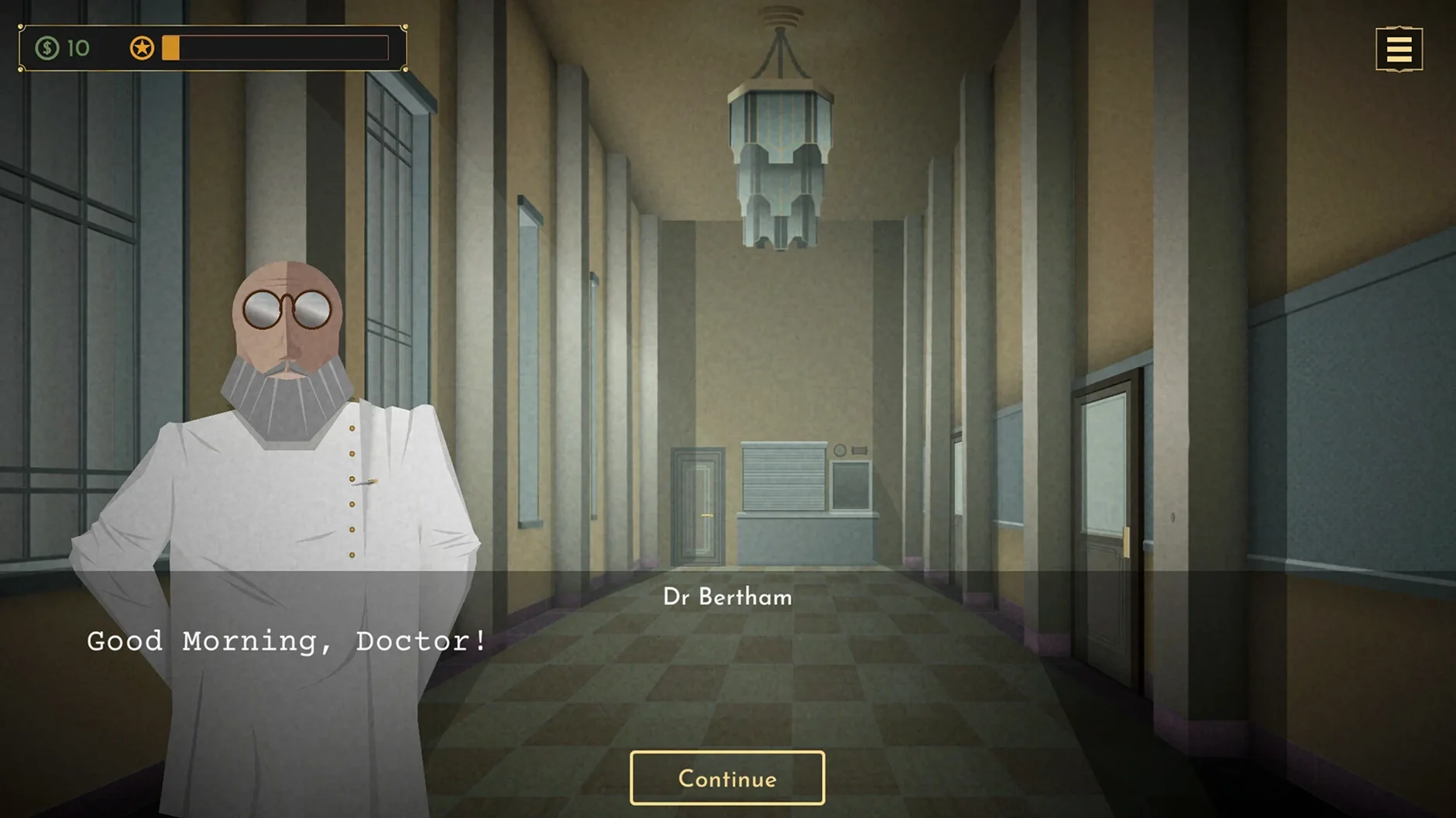
It is a story with management tools. You are a doctor in 1923, assessing symptoms through patient files. Every card you play nudges the outcome toward compassion or something much harsher.
What the 1.06f build means in practice
The 6 November 2025 update for sanatorium - a mental asylum simulator macos free ships as a universal binary — ARM and x86 64-bit — so it runs without translation on any modern Mac. No release notes were published, but the tested build on macOS Tahoe with an M4 Mac mini shows clean launch behaviour and full frame pacing during the card animations that drive the diagnosis sequences.
In everyday use, three things feel different from the launch version:
- Card transitions — flicker between patient-file views is gone. The hand-drawn card art lands faster, which matters when you are replaying a chapter to explore a different treatment path.
- Language fallback — the ten supported languages now stick to your system preference without resetting after a chapter ends. Korean and Simplified Chinese text renders correctly in the patient-file overlay, which was inconsistent earlier.
- Window behaviour — the game respects Stage Manager and multiple Spaces without forcing fullscreen. You can keep a notes app open beside the asylum ledger and alt-tab without a resolution hiccup.
Single-window focus with its own Space and Shortcuts
Because Sanatorium is a single-window, offline experience, it plays well with focus-oriented macOS features. I keep it in its own Space, Shortcuts-triggered Do Not Disturb on, and let the musical score fill the room.
Outside the game, a plain text scratchpad — Notes or Tot — is useful for tracking which experimental therapies you have tried across the four chapters. The game does not log past decisions outside the current save, so a quick side note saves replay guesswork.
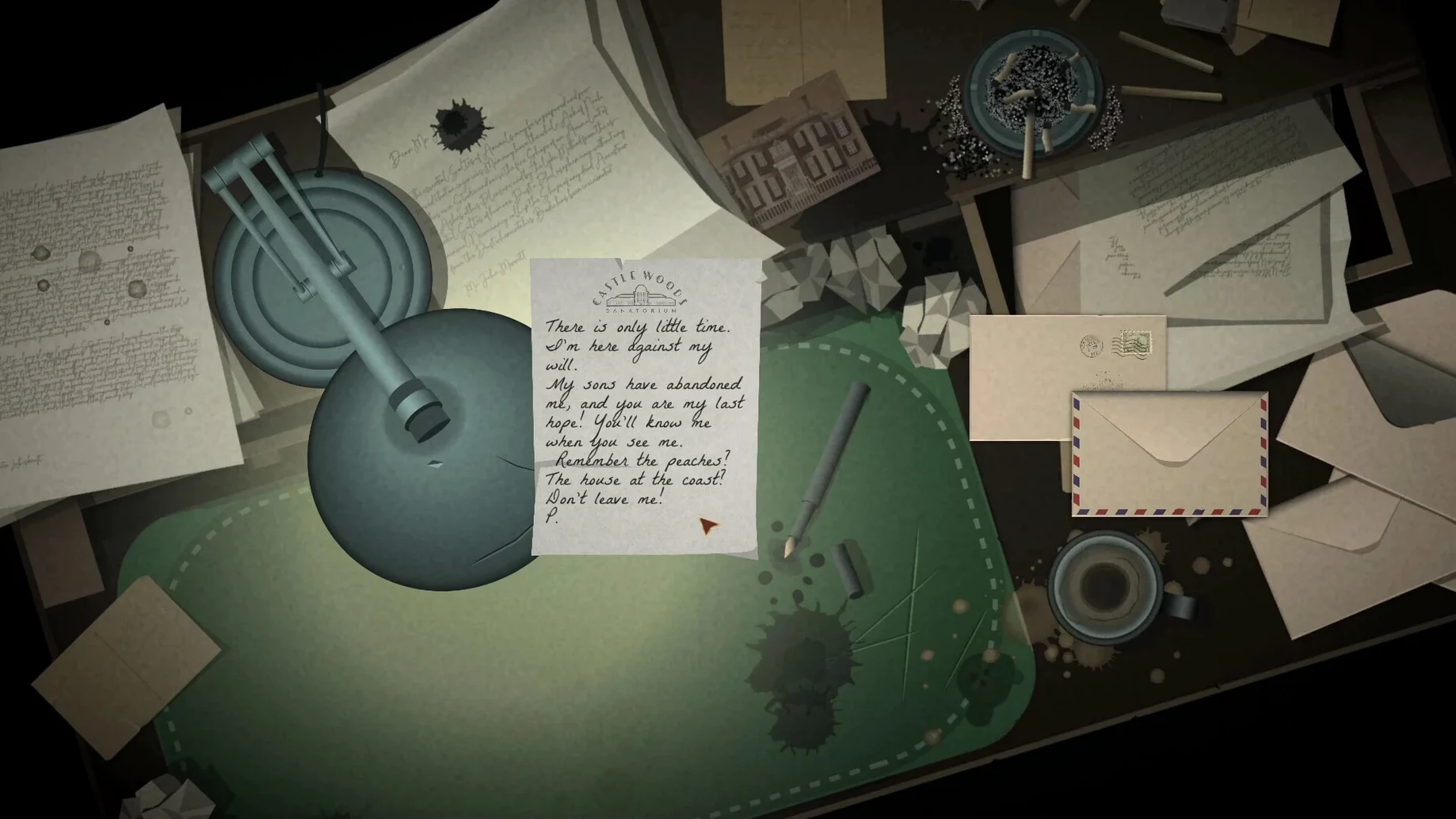
VoiceOver users should know the card UI is not labelled for screen readers yet. Sound cues carry the emotional beats, but the patient-file text is rendered as raster art, not as live text, so selection and speech are limited. Headphones recommended — the ambient field recordings in Castle Woods are mixed wide and lose detail on built-in laptop speakers.
- macOS ?
- Architecture: Apple Silicon and Intel 64-bit
- Interface languages: Russian, English, German, Spanish, Italian, Simplified Chinese, Korean, Portuguese, French, Japanese
Questions I get before install
What choices do I make as the doctor?
You assess symptoms from patient files to build a diagnosis, then play cards that can be compassionate or harsh.
How much content does Sanatorium include?
The campaign runs four chapters with more than 100 cards shaping the narrative.
What languages does the game support?
The interface is available in Russian, English, German, Spanish, Italian, Simplified Chinese, Korean, Portuguese, French and Japanese.
Comments 0
Sign in to leave a comment.Sign inCreate an account
No comments yet. If a step is still there after you install it, say so.
More in Games
All in Games Sally Face
Rewards attention to small details as a dark mystery unspools across five episodes.
10 steps saved
 Riven
Offers a ground-up remake with free real-time movement through the Age of Riven.
7 steps saved
 RimWorld
Generates unscripted moments where you draft colonists and position them behind cover.
6 steps saved
 Revhead
Starts you with a shed and a ute, then asks you to strip and rebuild a wreck.
6 steps saved
 Resident Evil Village
Hunts through a cursed European village in a survival horror tale.
16 steps saved
 Seth
Drops you into a quick, randomized battle through a mythic sci-fi world.
17 steps saved
 Shadow of the Tomb Raider
Strips a hero of her tools and forces patient survival in a hostile jungle.
6 steps saved
 Ravenswatch
Pulls you into a dark-fantasy world built on old folk tales and legends.