
Think of this as the inventory-management focus of Ghost of Tsushima filtered through a tighter, hideout-driven loop.
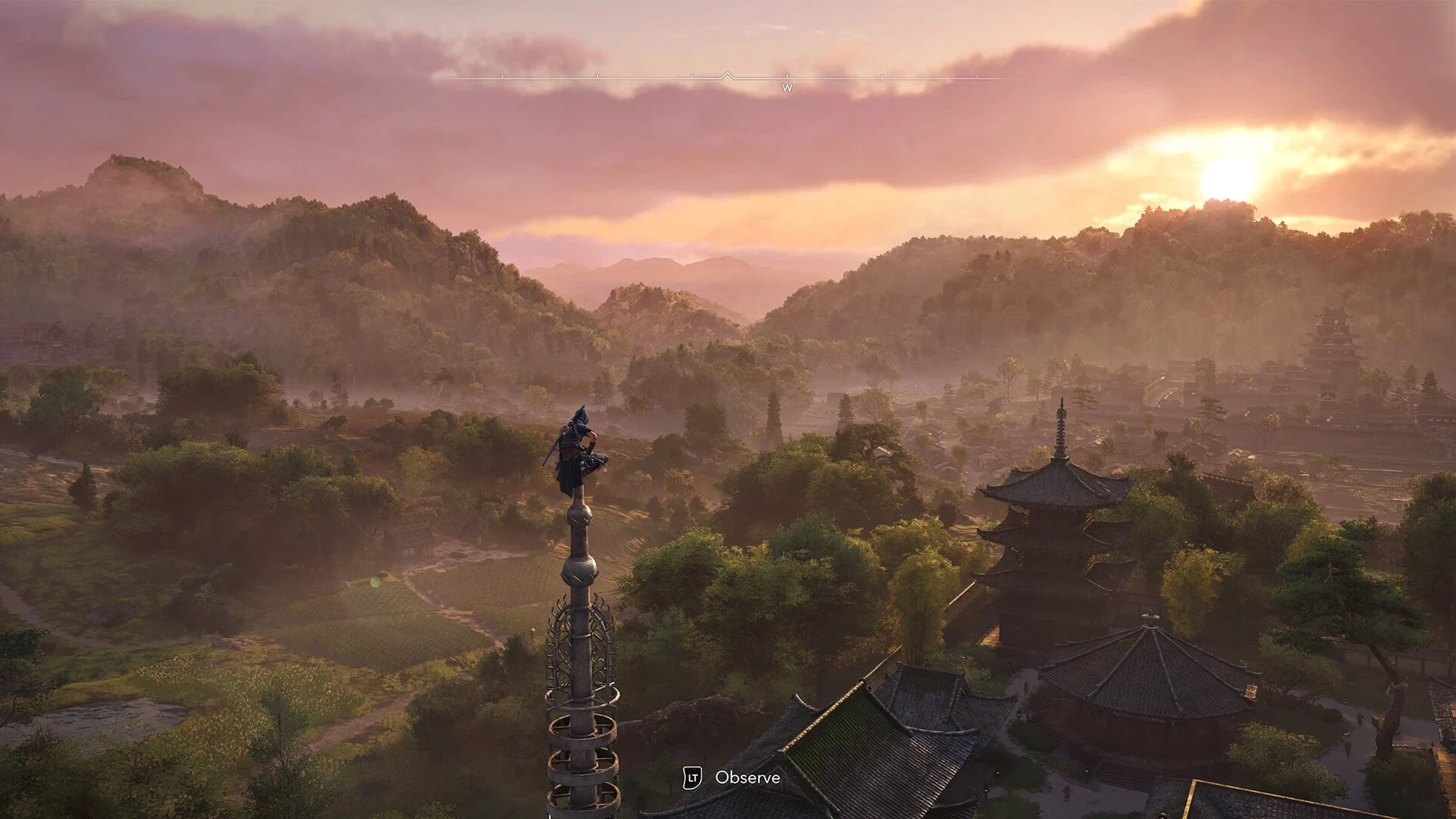
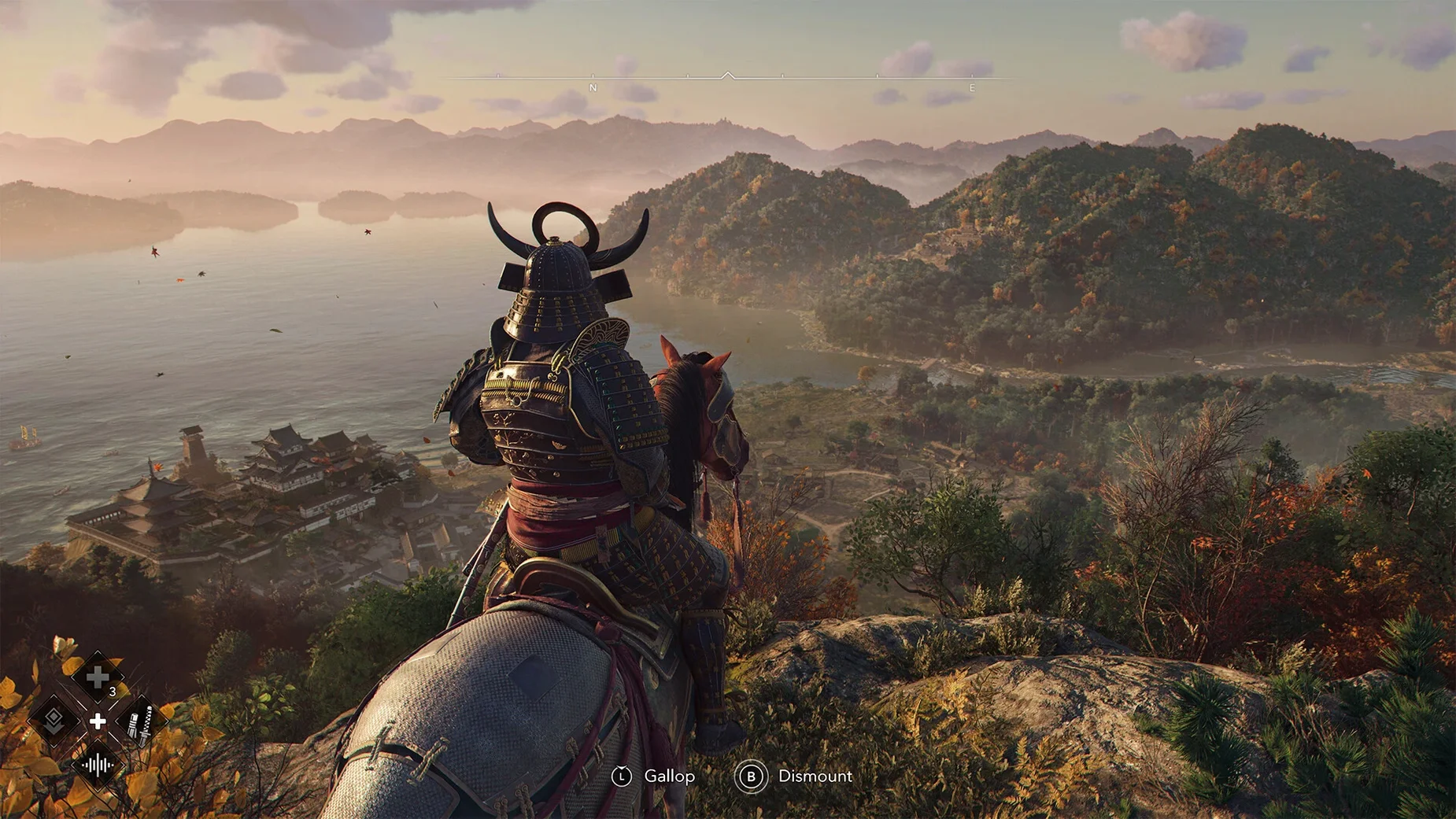
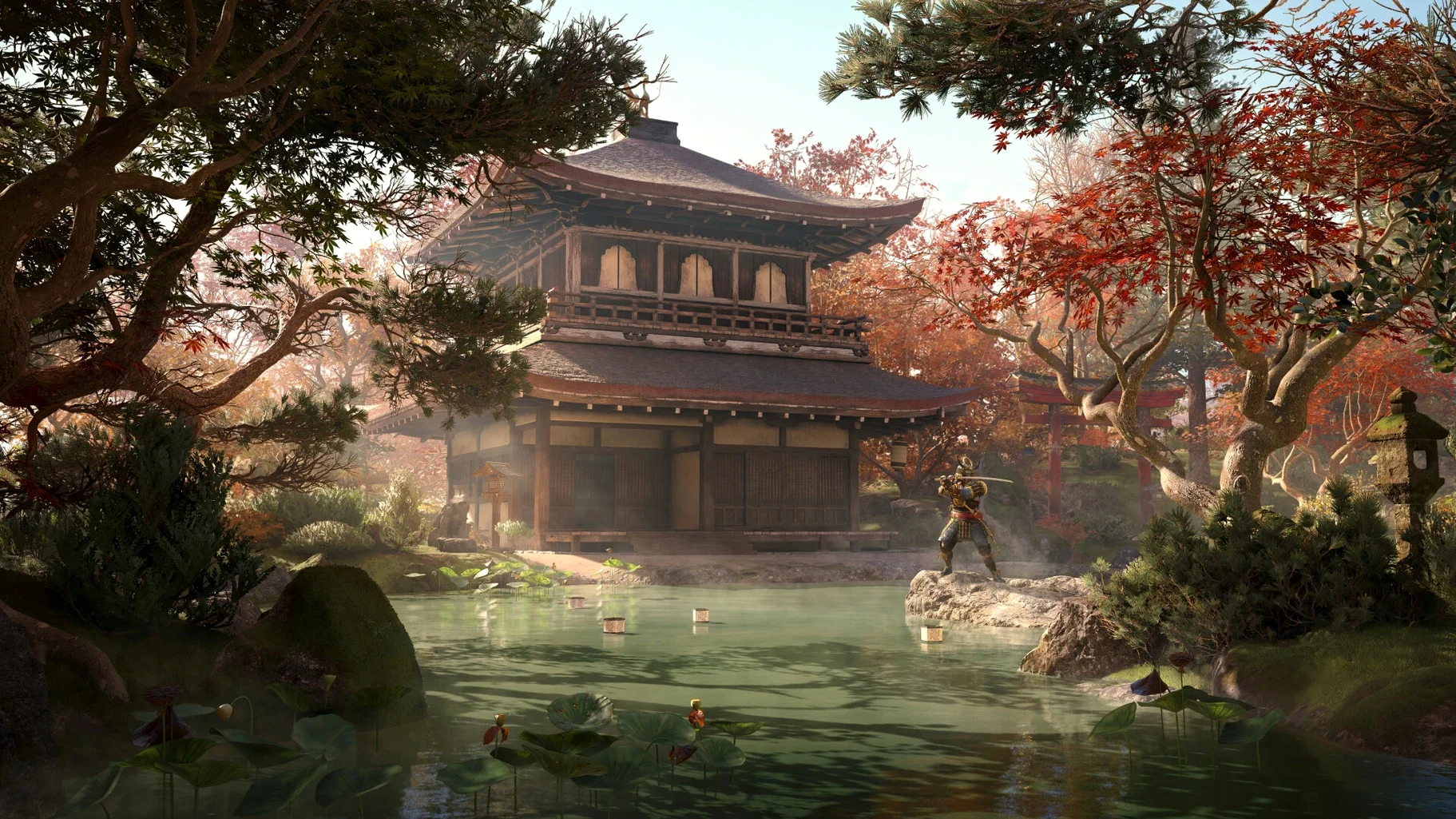
Setting — Feudal Japan with changing seasons that reshape the terrain and sightlines.
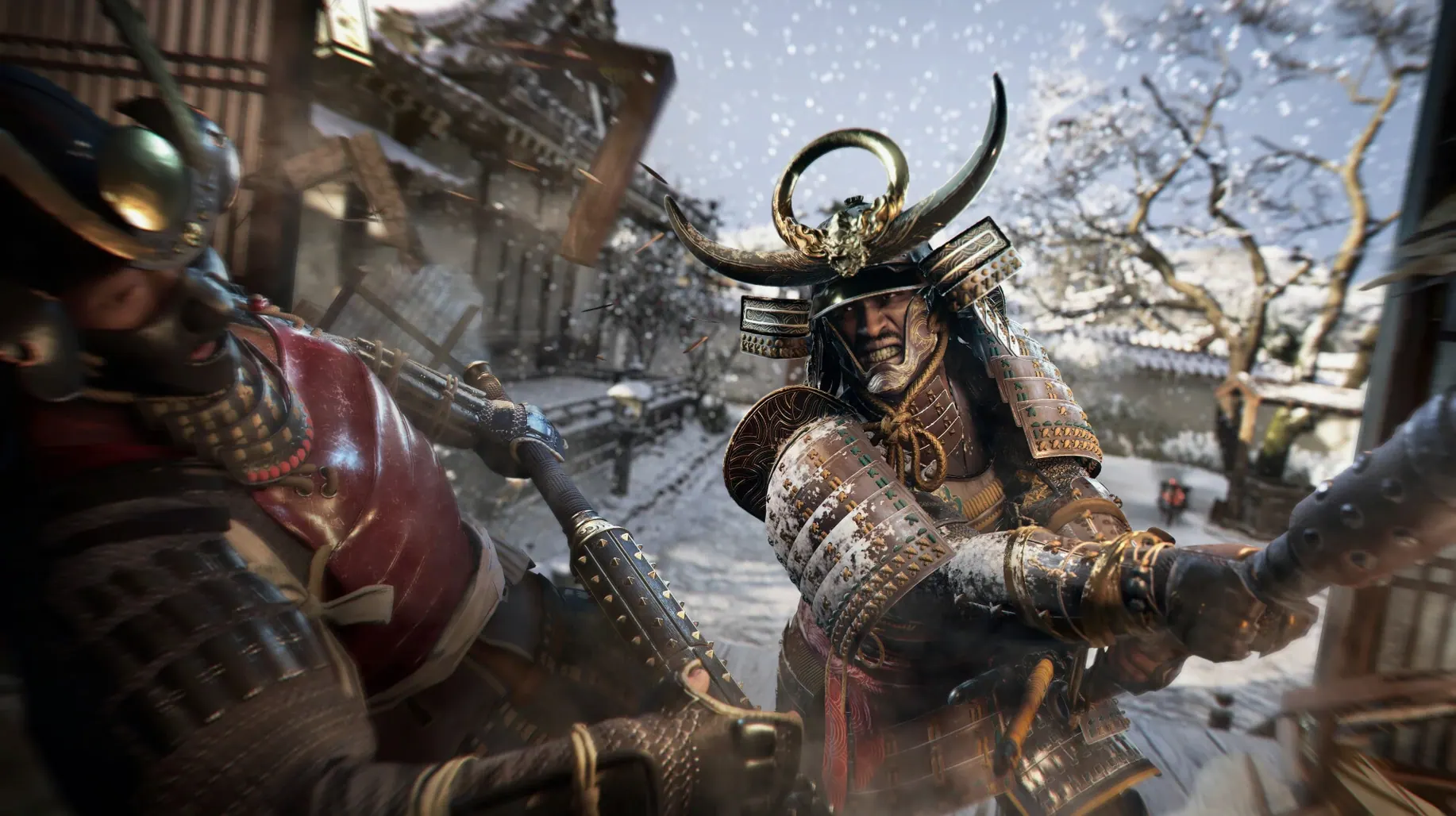
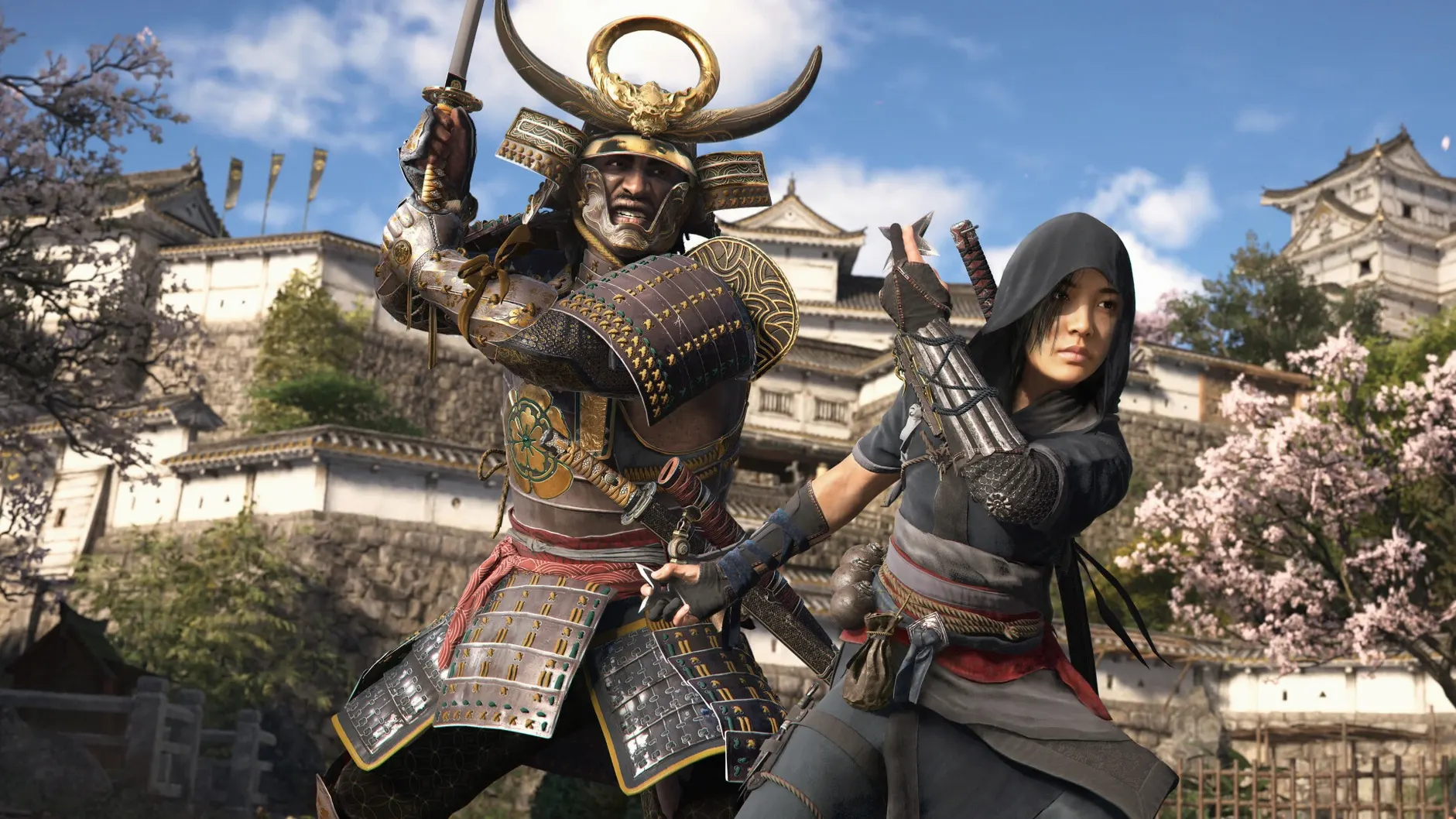
Playable characters — Yasuke, a direct-force samurai, and Naoe, a shinobi who works from shadow. You swap between them for different approaches to the same objective.
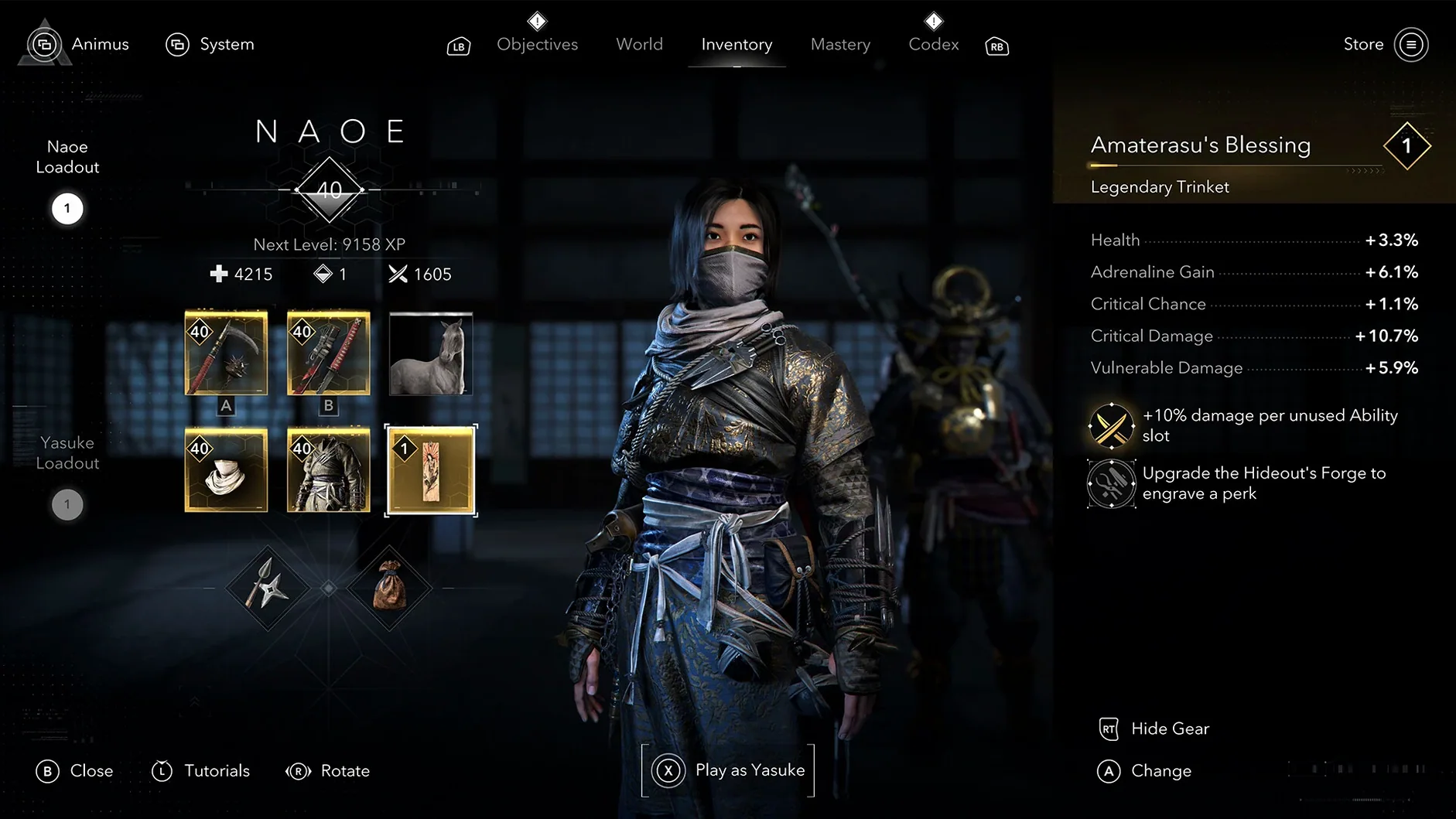
Hideout loop — The base-building hub where you craft new equipment and train recruited allies. Much of the gear progression runs through this single space rather than scattered merchants.
Mac performance profile — 720p at 30 fps on the low preset. It is a playable, locked-console-style delivery, not a high-fidelity showcase. The 130 GB install and 16 GB RAM requirement place it firmly on Apple Silicon machines with ample free storage.
Who it clicks with — Players who value methodical hideout management and seasonal atmosphere over sharp frame rates. The two-character system rewards patience with different infiltration styles.
Who might skip — Anyone who finds 30 fps at 720p a dealbreaker on a modern Mac, or who prefers a lean, 40 GB install over a sprawling 130 GB footprint.
A Clean Castle Infiltration, Step by Step
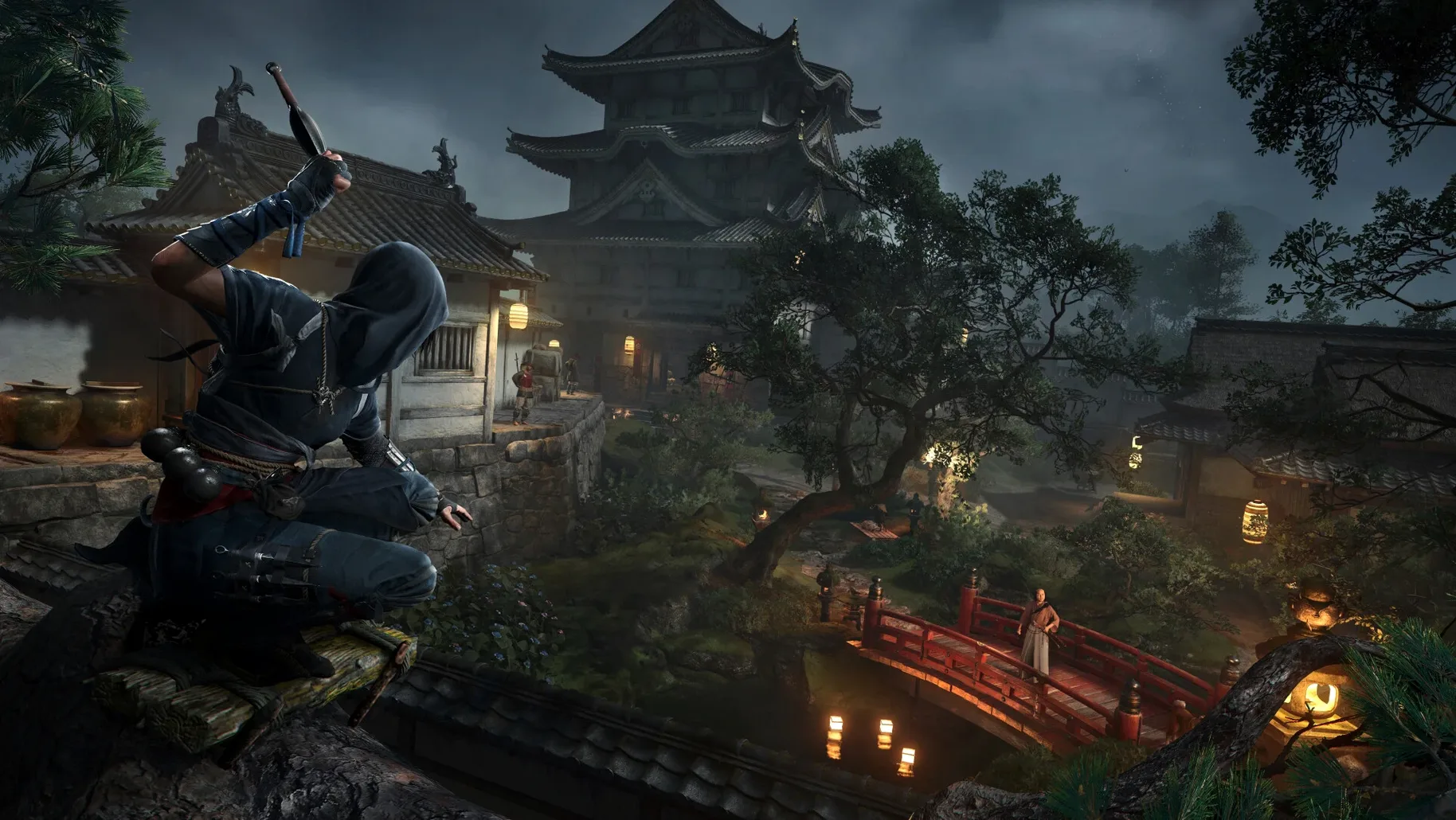
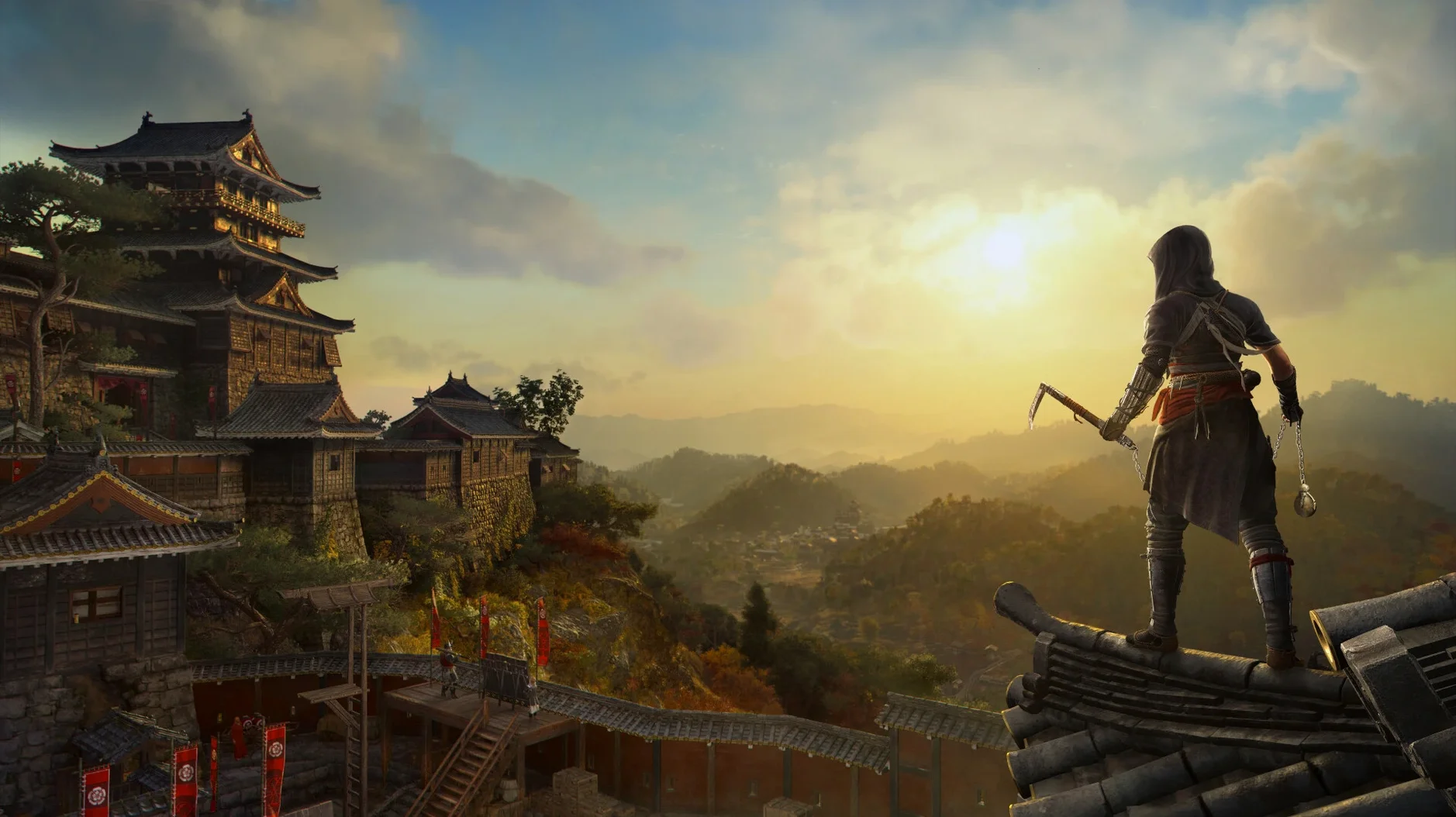
This sequence uses Naoe for a silent stronghold run in late autumn. The leaves muffle footsteps and the low sun stretches shadows long.
- Scout from the ridge — Send two scouts to tag the daimyo and mark alarm towers.
- Wait for dusk — Rotate the time-of-day wheel. Guards eat; patrol routes thin.
- Rooftop entry — Grapple to the north tower. Two guards. Choke out the lookout, drop the patroller with a shuriken to the neck.
- Neutralize alarms — Sabotage both towers before moving inward. If a scout tagged a third alarm near the keep, reroute now.
- Target floor — The daimyo is on the second floor, pacing between two sliding screens. Crawl under the eastern screen, assassinate, exit through the garden.
- Fade into weather — Light rain starts. Tracks vanish. Sprint to the treeline and call the horse.
The hideout loop fires next: return, debrief allies, craft the tanto upgrade that the daimyo's materials unlocked.
Where Beginners Slip
- Ignoring the scout network — Tagging enemies through scouts is not a tutorial suggestion; it is the mission design. Running in blind leads to missed alarms and three-on-one fights Naoe cannot survive.
- Staying in one character — Yasuke clears a courtyard in seconds. Naoe cannot. Swapping at a viewpoint takes ten seconds and resets the tactical options completely.
- Neglecting the hideout between missions — Untrained allies bring no passives. Unupgraded crafting benches lock gear tiers. The hideout is not cosmetic.
- Playing in summer only — Winter freezes ponds into new paths. Spring mud slows sprint escapes. Seasons alter infiltration geometry, and beginners who ignore them repeat routes that stopped working two cycles ago.
Daily-Drive Impressions
On a Mac mini M4 at 720p low, the frame pacing is flat and predictable. No micro-stutter when rotating the camera across a busy port town. The 30 fps cap feels deliberate, not wobbly — a console-locked cadence that the eye adjusts to within a session.
Stability is solid through four-hour runs. One crash in roughly twenty hours of play, tied to a fast-travel trigger during a season transition. Quicksave habits cover it.
Memory pressure sits around 12–13 GB of the 16 GB floor. Safari and a notes app alongside the game push swap lightly, so closing browsers before launching is practical advice, not paranoia. The 130 GB install is non-negotiable; pruning other large titles first is the real pre-install step.
If you are searching for an ac shadows download torrent or an assassin's creed shadows mac torrent, the build floating around matches this performance profile — ARM-native, Metal 3, and exactly as heavy on disk and RAM as the store version describes.
- macOS 15 Sequoia or later
- Apple Silicon (tested on Mac mini M4)
- 16 GB RAM
- 130 GB available storage
- Ubisoft account (required at launch)
Comments 0
Sign in to leave a comment.Sign inCreate an account
No comments yet. If a step is still there after you install it, say so.
More in Games
All in Games Assassin's Creed Revelations
Sends you through a dense city where each mission follows an observe-plan-strike loop.
11 steps saved
 Assassin's Creed Unity
Separates parkour into up and down controls for fluid rooftop movement.
15 steps saved
 BAD END THEATER
Asks you to choose a hero, then delivers a short tale where every route ends badly.
18 steps saved
 Updated
Arctic Awakening
Turns choice-driven dialogue into a branching mystery in the frozen North.
17 steps saved
 Batman: Arkham City - Game of the Year Edition
Bundles every story add-on and challenge map with the full open-world Gotham.
21 steps saved
 Besiege
Tasks you with engineering a siege machine from raw parts to flatten a fortress.
8 steps saved
 Big Ambitions
Puts you behind the counter to unlock doors, stock shelves, and watch the register.
5 steps saved
 Angry Birds Reloaded
Topples pig fortresses by aiming a fixed flock from a slingshot.